Halloween can be exciting, creative, and social—but it should never feel like an activity designed only for children. With the right support, Halloween activities for adults with disabilities can promote choice, confidence, friendship, and meaningful community participation. For adults with developmental disabilities, the right planning can make seasonal experiences more accessible without taking away excitement or independence.
The goal is not to make every celebration quiet or predictable. Some adults enjoy music, costumes, crowds, and a little suspense. Others prefer familiar people, low lighting, or a relaxed evening at home. An inclusive Halloween begins by asking what the person wants and building support around that choice.
Why Halloween Can Be Meaningful for Adults with Developmental Disabilities
Seasonal celebrations create opportunities to make decisions, try something new, express personal style, and connect with other people. Choosing a costume, planning transportation, inviting friends, preparing food, or deciding when to leave an event are all real-life opportunities to practice independence.
These experiences also support a principle that matters throughout adulthood: people deserve the dignity to make informed choices, including choices that involve reasonable risk. Support should make participation possible—not automatically remove the experience.
Start with Choice, Not Assumptions
Before planning an activity, ask the adult how they would like to celebrate. Avoid assuming that everyone enjoys costumes, scary decorations, candy, or group parties. It is equally valid to attend a large event, organize a small gathering, watch a movie, hand out treats, or skip Halloween entirely.
Questions that can help include:
- Would you like to celebrate Halloween this year?
- Do you want to wear a costume? If so, what would you choose?
- Would you prefer a busy event or a smaller activity?
- Who would you like to invite or attend with?
- What would help you feel comfortable and prepared?
- How will you communicate if you want a break or are ready to leave?
Adults who communicate without speech may answer through an AAC device, pictures, gestures, eye gaze, facial expressions, or another preferred method. Allow enough time for the person to process the options and respond.
Halloween Activities for Adults with Disabilities: 8 Inclusive Ideas
1. Attend a Community Halloween Event
A local fall festival, accessible haunted attraction, community dance, pumpkin walk, or costume party can provide a fun opportunity to socialize. Review the event details in advance, including accessibility, crowd size, lighting, noise, restrooms, transportation, and whether there is a quiet space.
2. Plan an Adult Halloween Movie Night
Let participants vote on the movie, snacks, decorations, and guest list. Offer several choices ranging from lighthearted seasonal movies to genuinely spooky films. An adult celebration should reflect adult preferences rather than automatically defaulting to children’s entertainment.
3. Create or Customize a Costume
Costume planning supports creativity and decision-making. The person might assemble an outfit from clothes they already own, decorate a hat or shirt, use face paint, or incorporate a wheelchair, walker, communication device, or headphones into the design. Comfort and freedom of movement matter more than following costume traditions.
4. Host a Halloween Dance or Music Night
Create a playlist together and give everyone a way to request songs. Provide space for dancing, seating for breaks, and a quieter area away from speakers. Volume does not have to be low for the entire event; the important part is offering clear choices and a comfortable way to step away.
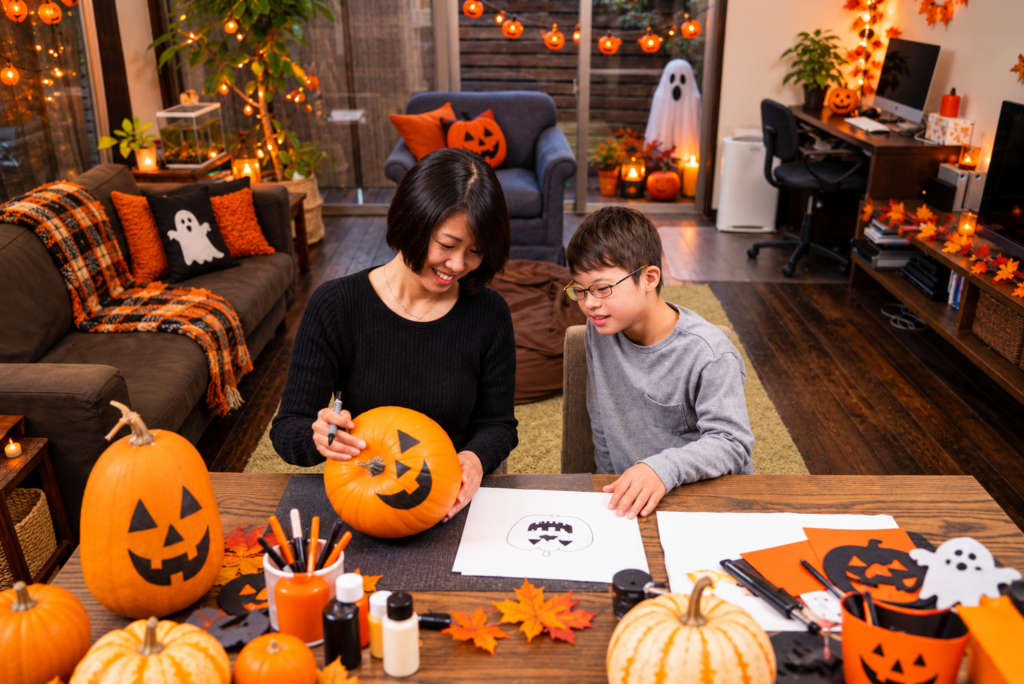
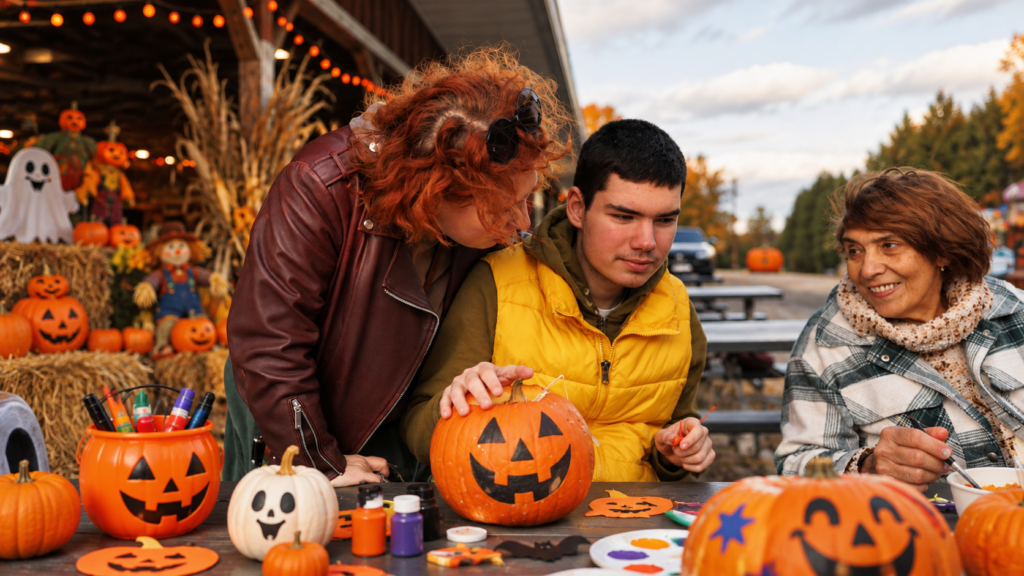
5. Decorate Pumpkins Without Carving
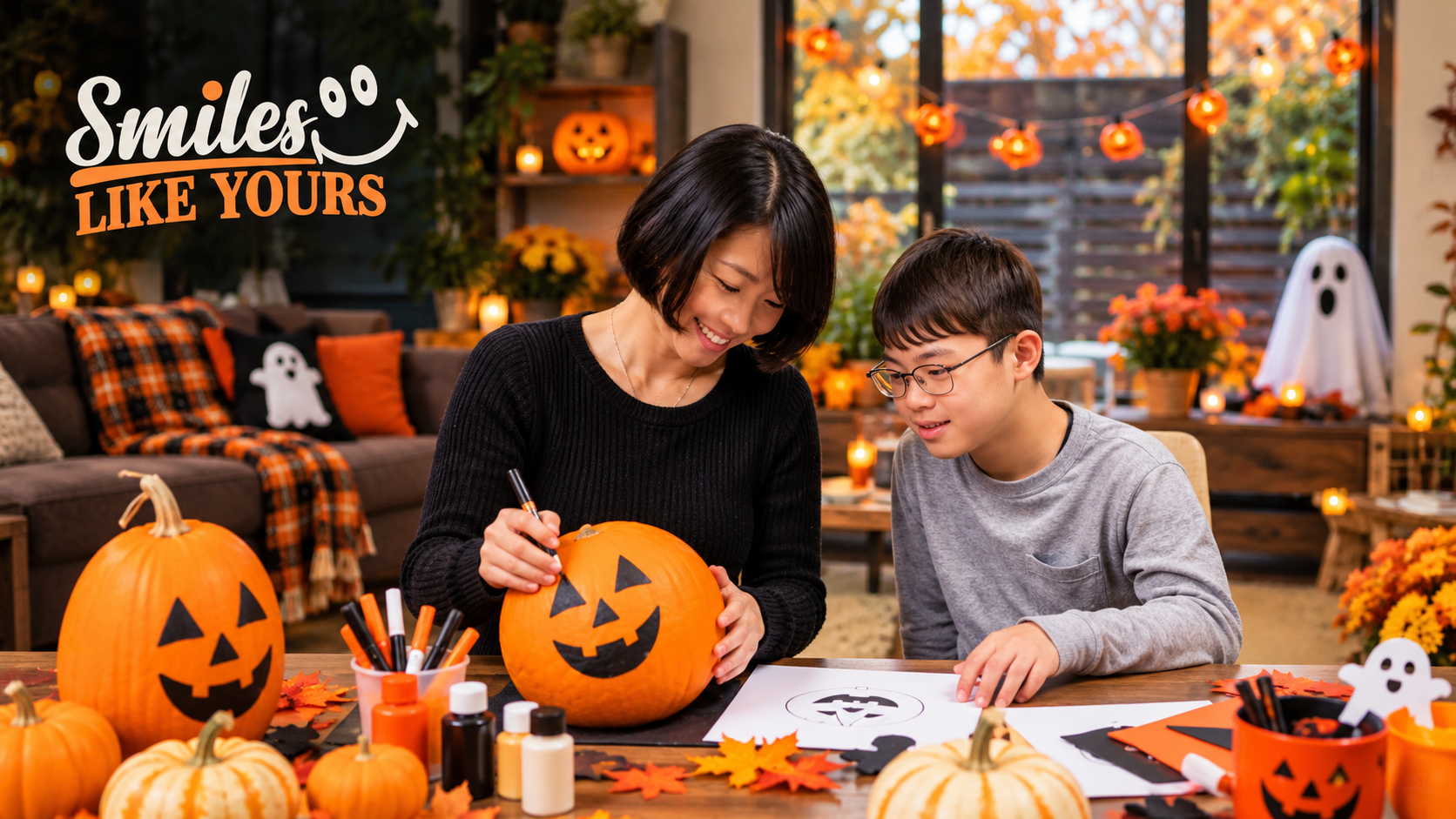
Paint, stickers, removable decorations, fabric, and markers make pumpkin decorating accessible to people with different motor skills. Adults who want to carve can participate with appropriate tools and individualized support instead of being excluded automatically.
6. Prepare a Seasonal Recipe
Choose an adult-friendly recipe such as pumpkin soup, caramel apples, a themed snack board, decorated cookies, or a fall mocktail. Participants can select ingredients, follow steps, measure, mix, decorate, serve, and clean up according to their interests and support needs.
7. Take a Neighborhood Halloween Walk
An evening walk can be an enjoyable alternative to a formal party. Some adults may also choose to trick-or-treat, especially at an inclusive community event. Respect that choice while planning a familiar route, visible clothing, communication supports, and a way to return home when the person is ready.
8. Volunteer or Welcome Visitors
Adults who prefer not to attend an event may enjoy greeting visitors, handing out treats, decorating a community space, helping at a festival, or assembling non-food treat bags. These roles create connection and a sense of contribution.
How to Make Halloween Sensory-Friendly Without Limiting Choice
“Sensory-friendly” does not mean that every celebration must be silent, dim, or identical. Sensory needs and preferences vary. One person may actively seek loud music and movement, while another may become overwhelmed by unexpected screams, masks, fog machines, or flashing lights.
Useful accommodations may include:
- Sharing photos, a schedule, or a short description of the event beforehand
- Trying on costumes early to check the fit, texture, temperature, and mobility
- Bringing headphones, sunglasses, a comfort item, or a charged communication device
- Identifying a quiet area before the event begins
- Arriving early or attending during a less crowded period
- Using a visual timer or agreed-upon signal for breaks
- Keeping transportation flexible so leaving early is possible
Preparation should provide information, not pressure. Knowing what to expect helps the adult make an informed decision about how—and whether—to participate.
Balancing Halloween Safety and Independence
Good support reduces unnecessary barriers while preserving the person’s control. Instead of saying, “That event is too crowded,” a support person might explain the expected crowd, discuss possible challenges, and offer options such as attending earlier, bringing a trusted friend, or planning a shorter visit.
For community outings, consider transportation, weather, lighting, walking routes, medications, food allergies, dietary needs, mobility access, and emergency contact information. Virginia families can also review the Virginia Department of Health’s Halloween safety guidance, which recommends comfortable costumes, visible clothing, group travel, hydration, and planning transportation in advance.
Support should be individualized. Some adults may travel independently, while others may benefit from a buddy, staff support, location sharing, or regular check-ins. The least restrictive effective support is usually the best starting point.
Create a Simple Halloween Support Plan
A short plan can prevent confusion without controlling the entire evening. Include:
- The person’s choice: what they want to do and who they want to attend with.
- What to expect: schedule, location, crowd, sound, lighting, and transportation.
- Preferred supports: communication tools, mobility assistance, sensory items, or medication needs.
- Break plan: where to go and how the person will request a break.
- Exit plan: how to leave safely if the activity is no longer enjoyable.
- Backup choice: an alternative activity that still feels meaningful.
During the activity, check in without repeatedly interrupting or speaking for the person. Watch for their usual signs of comfort, excitement, fatigue, or distress, and honor a request to change the plan.
Frequently Asked Questions
What are good Halloween activities for adults with developmental disabilities?
Good options include community festivals, costume parties, dances, movie nights, pumpkin decorating, cooking, neighborhood walks, volunteering, and hosting friends. The best activity is one chosen by the adult and adapted to their individual support needs.
How can caregivers make Halloween more inclusive?
Offer age-respectful options, explain what to expect, support the person’s preferred communication, check physical accessibility, prepare sensory accommodations, and create an easy way to take a break or leave.
Should every Halloween activity be sensory-friendly?
Every activity should provide clear information and reasonable accommodations, but sensory-friendly does not look the same for everyone. Some adults prefer a calm environment, while others enjoy intense music, movement, or spooky experiences.
What if an adult does not want to celebrate Halloween?
Choosing not to participate is a valid adult decision. Offer meaningful alternatives without withholding attention, social opportunities, or preferred activities.
Supporting a Halloween Built Around the Person
These Halloween activities for adults with disabilities are most successful when they reflect individual interests and support needs.
An inclusive Halloween is not measured by how elaborate the decorations are or how long someone stays at an event. Success means the adult had meaningful choices, received the support they requested, and could participate in a way that felt comfortable and authentic.
At Smiles Like Yours, our Community Engagement program creates opportunities for adults with developmental disabilities to build confidence, relationships, and greater independence. Thoughtful support can help adults enjoy Halloween—and every season—on their own terms.