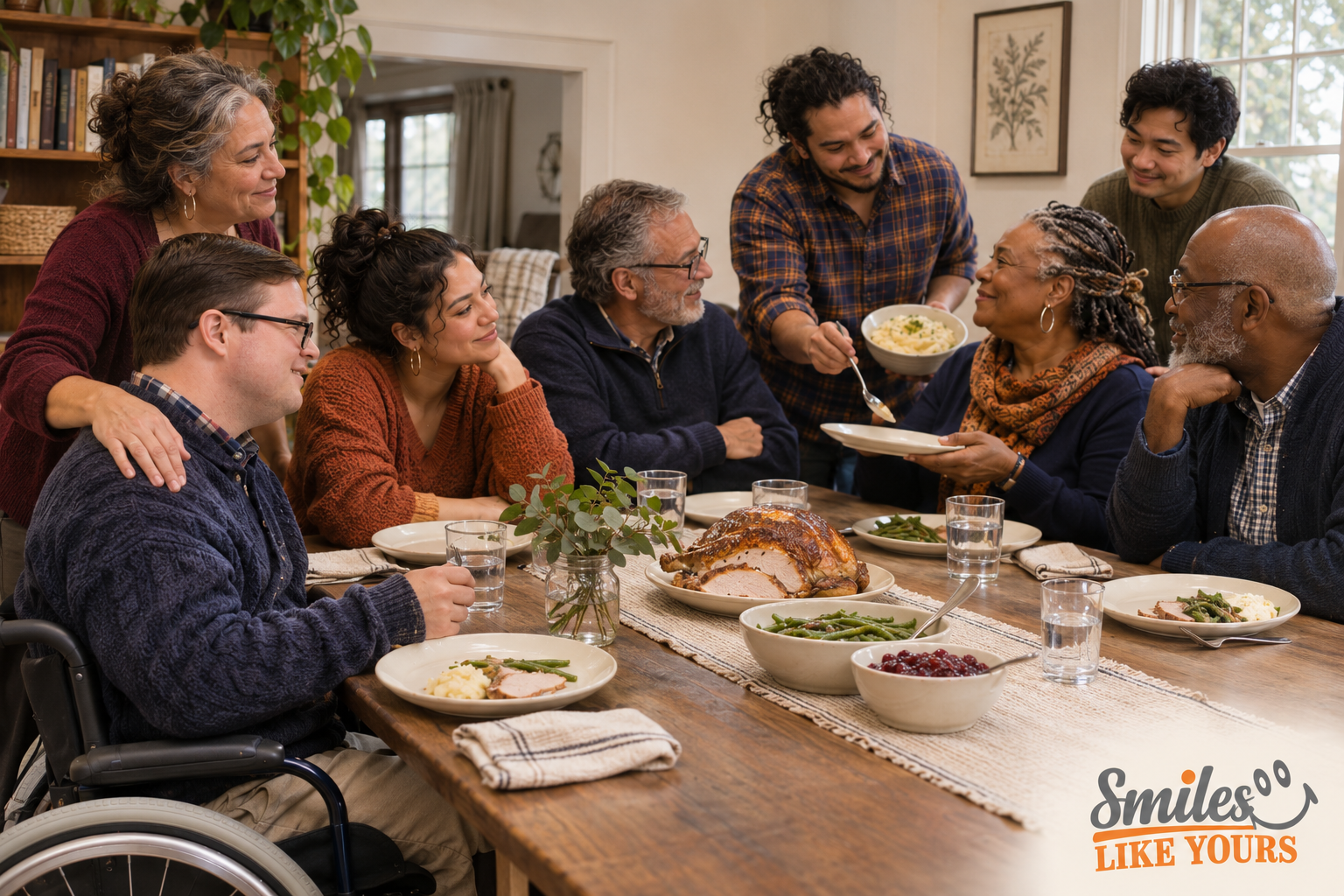
Thanksgiving activities for adults with disabilities can make the holiday more meaningful when everyone has the opportunity to participate, make choices, and feel included.
Thanksgiving is a time for family, gratitude, and connection. However, crowded rooms, unfamiliar routines, and long celebrations can sometimes create challenges for adults with developmental disabilities.
Fortunately, creating an inclusive Thanksgiving doesn’t require an elaborate plan. Small adjustments, thoughtful communication, and meaningful participation can help make the holiday enjoyable for everyone.
Why an Inclusive Thanksgiving Matters
A meaningful Thanksgiving is about more than gathering around the dinner table. It is about making sure every family member feels welcome, respected, and involved.
For adults with developmental disabilities, participation may look different from person to person. Some enjoy preparing food and decorating, while others prefer quiet conversations or smaller gatherings.
According to the CDC’s disability inclusion guidance, inclusion involves ensuring people with disabilities can participate in everyday activities and meaningful social roles.
Therefore, the goal should never be to make everyone celebrate the same way. Instead, families can create opportunities that reflect individual preferences, interests, and comfort levels.
5 Thanksgiving Activities for Adults with Disabilities
The best Thanksgiving activities for adults with disabilities are flexible, enjoyable, and appropriate for each person’s interests.
Here are five ideas families can adapt.
1. Create a Thanksgiving Gratitude Tree
Start with a few paper leaves, colorful markers, and a small decorative branch.
Invite everyone to write, draw, or select pictures representing something they appreciate.
Participants might choose family, friends, favorite foods, pets, or memorable experiences.
Most importantly, allow each person to express gratitude in their preferred way.
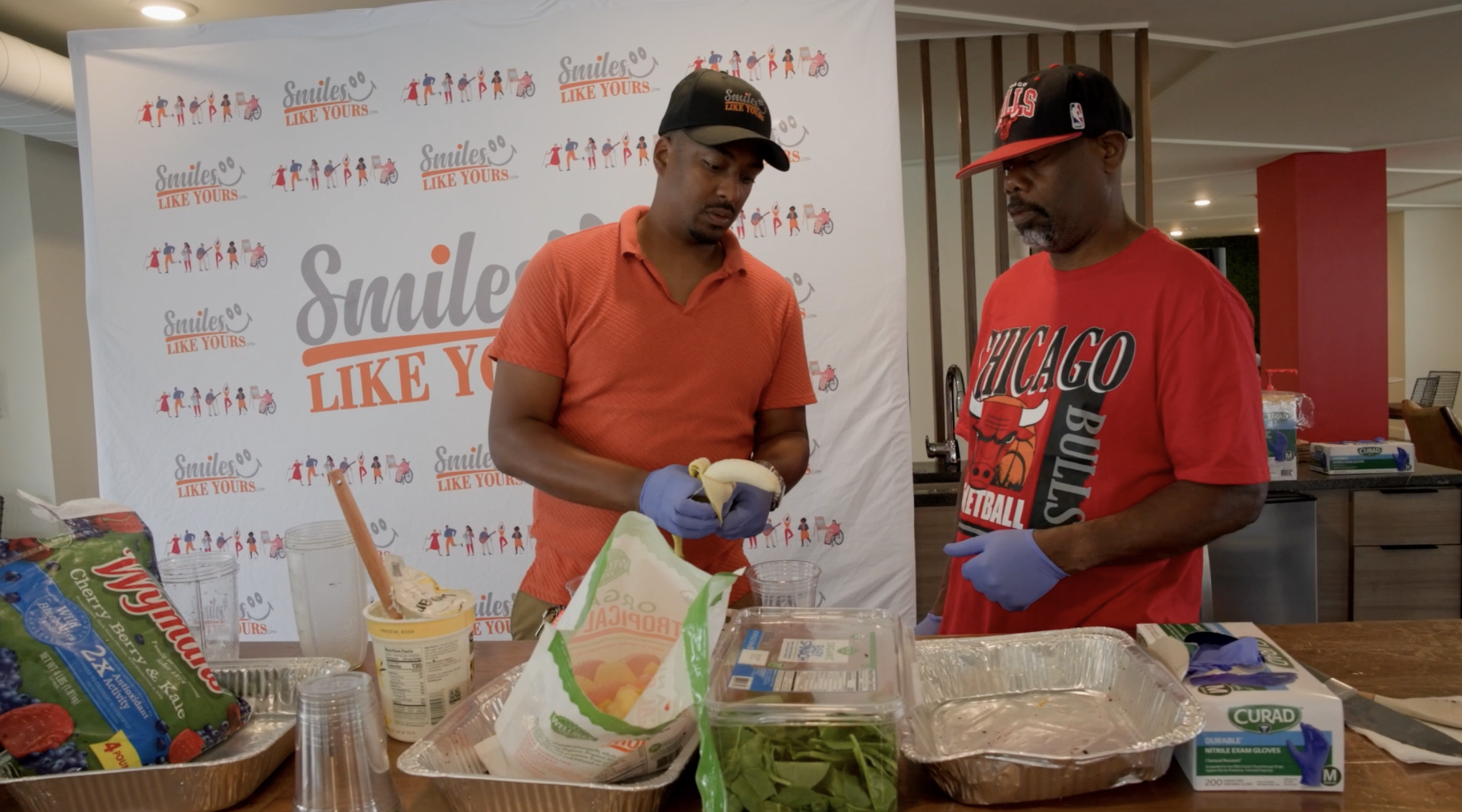
2. Prepare a Favorite Holiday Dish Together
Cooking offers opportunities for teamwork, conversation, and personal choice.
Depending on individual interests and abilities, participants can help wash vegetables, measure ingredients, mix batter, or decorate desserts.
For example, preparing a pumpkin pie together can become a shared family tradition.
Offer assistance when needed, use accessible tools, and let each adult decide how they want to participate.
3. Organize a Thanksgiving Memory Table
Create a small display featuring family photographs, meaningful objects, and favorite holiday memories.
Invite participants to share stories, point to photographs, or choose their favorite memories.
This activity can encourage conversation while celebrating each person’s experiences and relationships.
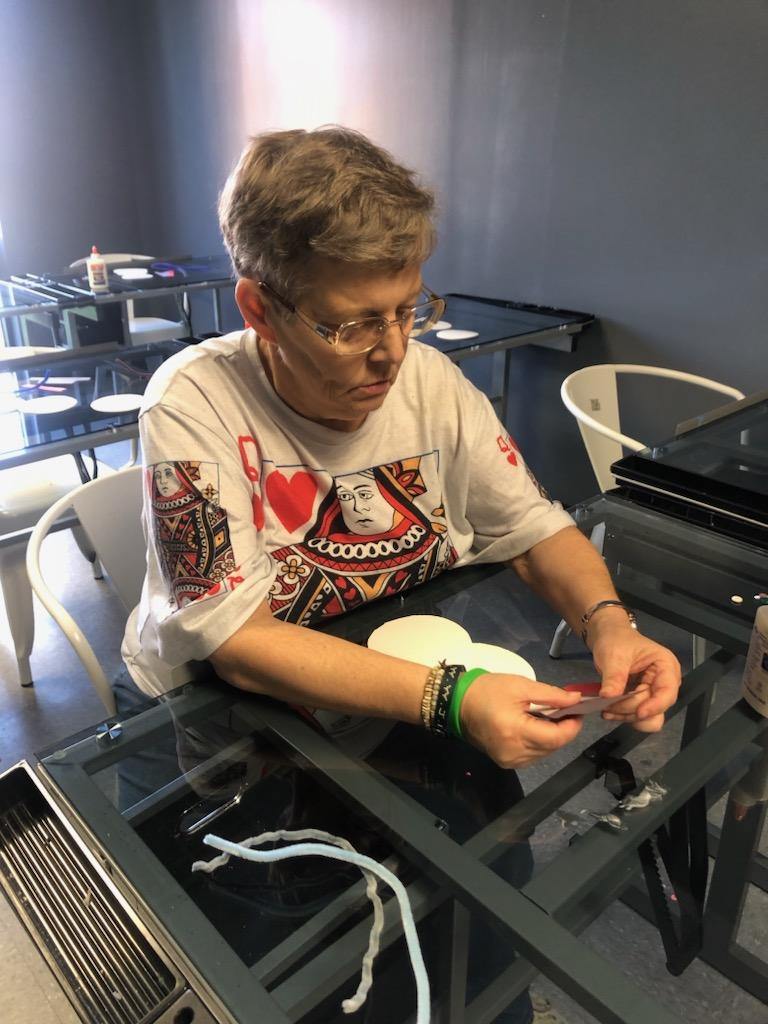
4. Enjoy an Accessible Fall Craft
Simple seasonal projects can add creativity to the celebration.
Ideas include decorating pumpkins, making autumn centerpieces, arranging colorful leaves, or creating Thanksgiving cards.
However, not everyone enjoys the same textures or materials. Offer alternatives such as brushes, stickers, pre-cut decorations, or digital activities.
5. Make Time for Favorite Games and Music
Thanksgiving doesn’t need to revolve entirely around food.
Families can include board games, favorite songs, puzzles, or small-group activities.
Let participants choose what they enjoy. After all, meaningful participation matters more than completing a planned activity.
Making Thanksgiving Comfortable for Everyone
A successful holiday gathering should consider the environment as well as the activities.
Busy celebrations can involve loud conversations, unfamiliar visitors, strong food aromas, and unexpected changes.
The CDC identifies environmental and communication barriers as factors that can limit participation for people with disabilities.
As a result, a few adjustments can make a meaningful difference.
Create a Quiet Space
Designate a comfortable room where guests can take breaks when needed.
Soft lighting, familiar objects, and reduced background noise may help create a welcoming environment.
Share the Holiday Plan
Explain when guests will arrive, when dinner will begin, and what activities are planned.
A short written or visual schedule may help individuals who prefer predictable routines.
Families can also explore our guide to creating visual schedules for adults with developmental disabilities.
Keep Participation Flexible
Not everyone needs to remain at the table throughout the entire celebration.
Some adults may prefer shorter conversations, breaks between activities, or a smaller gathering.
Respecting those preferences helps make Thanksgiving more comfortable without creating unnecessary pressure.
Give Every Adult a Voice in Holiday Traditions
One of the simplest ways to make Thanksgiving inclusive is to ask adults how they want to participate.
Rather than assigning activities automatically, offer meaningful choices.
For example:
- Would you like to help prepare dinner or decorate the table?
- Which holiday activity sounds most enjoyable?
- Would you prefer music or a quieter environment?
- Is there a family tradition you would like to include?
For adults who use communication boards, picture cards, or speech-generating devices, make sure their preferred communication tools remain available.
The American Speech-Language-Hearing Association emphasizes the importance of supporting communication across everyday situations.
Ultimately, an inclusive celebration gives every person an opportunity to express preferences, participate comfortably, and feel heard.
Celebrating Connection with Smiles Like Yours
At Smiles Like Yours, we believe meaningful experiences begin with connection, choice, and a sense of belonging.
Our Adult Social Club and Community Engagement programs provide opportunities for adults with developmental disabilities to build friendships, participate in activities, and develop confidence through everyday experiences.
The same principles that make these programs meaningful can also help families create more inclusive holiday traditions.
Whether someone enjoys preparing food, sharing stories, creating art, or simply spending time with loved ones, every form of participation deserves recognition.
Explore our programs and services to learn how Smiles Like Yours supports adults and families throughout the Richmond, Virginia area.
Frequently Asked Questions
What are good Thanksgiving activities for adults with disabilities?
Accessible crafts, cooking, gratitude projects, music, games, and family storytelling can all be enjoyable. Choose activities based on each adult’s interests, preferences, and support needs.
How can families make Thanksgiving more inclusive?
Offer choices, prepare guests for the schedule, reduce unnecessary sensory barriers, and allow flexible participation.
What if someone becomes overwhelmed during Thanksgiving?
Offer access to a quiet space, allow breaks, and respect requests to step away. A shorter celebration can still be meaningful.
How can non-speaking adults participate in Thanksgiving?
Adults can communicate through gestures, picture cards, writing, communication boards, or AAC devices. Families should respect and support each person’s preferred communication methods.
Make This Thanksgiving About Belonging
The most meaningful Thanksgiving activities for adults with disabilities aren’t necessarily the most elaborate. Often, they are the moments when someone gets to make a choice, share a favorite tradition, or enjoy time with people who care.
This November, focus on connection rather than perfection.
At Smiles Like Yours, we believe everyone deserves opportunities to participate, build relationships, and experience a meaningful life.
Looking for supportive programs for your loved one in Richmond, VA? Get started with Smiles Like Yours and discover how our team can help.