Life skills for adults with disabilities are the everyday abilities that help a person make choices, participate at home, and take part in community life. They can include preparing food, managing a schedule, using transportation, communicating needs, handling money, caring for belongings, and building relationships.
These skills should never be treated as a checklist that determines whether someone is “independent enough.” Independence looks different for every adult. One person may complete a task alone, another may use technology or adapted equipment, and someone else may direct a support professional through each step. All three can be meaningful forms of participation.
This guide offers 15 practical life skills activities that families, caregivers, adult day programs, and supported living teams can adapt around each person’s goals, preferences, communication, abilities, and support needs.
What Are Life Skills for Adults with Disabilities?
Life skills are abilities used to manage daily routines, make decisions, solve problems, communicate, and participate in the community. They are sometimes described as daily living skills or independent living skills.
Examples include:
- Choosing and preparing meals
- Maintaining a living space
- Managing time and appointments
- Shopping and handling money
- Using transportation
- Communicating preferences and asking for help
- Practicing personal and community safety
- Building friendships and resolving disagreements
- Making informed decisions about health and well-being
The goal is not to make every adult perform every task in the same way. It is to identify what matters to the individual and create the right level of support.
The Administration for Community Living explains that person-centered planning is directed by the person receiving support. It considers strengths, goals, preferences, relationships, transportation, housing, employment, recreation, and other parts of community life. Life skills development should follow the same principle: start with the person’s vision, not someone else’s definition of success.
Start With Goals That Matter to the Person
Before selecting an activity, ask what the adult wants to do more independently or participate in more fully.
A goal might be:
- Making a favorite breakfast
- Choosing clothes for work
- Paying for an item at a store
- Remembering an activity schedule
- Taking a familiar bus route
- Inviting a friend to an event
- Keeping a bedroom organized
- Preparing for a community outing
Goals are more motivating when they lead to something the person values. “Learn to read a bus schedule” may feel abstract. “Learn the route to the library” has a clear destination and purpose.
Pay attention to how the person communicates yes, no, uncertainty, discomfort, interest, and the need for assistance. Speech, gestures, facial expressions, pictures, a communication device, written words, or behavior may all provide important information.
15 Practical Life Skills Activities for Adults with Disabilities
These activities can be simplified, expanded, practiced in real settings, or completed with assistance. Participation may involve doing the entire task, completing selected steps, making choices, checking the result, or directing another person.
1. Plan a Simple Meal
Invite the person to choose one meal and identify what is needed. They might review pictures of meal options, check the refrigerator, create a shopping list, or decide which side dish to prepare.
This activity can build decision-making, sequencing, communication, budgeting, nutrition awareness, and planning. Keep the number of choices manageable and respect cultural, sensory, dietary, and medical needs.
A visual recipe can break the process into clear steps. Someone who does not read conventional text may use photographs, symbols, color-coded measuring tools, or a short video.
2. Prepare Food Safely
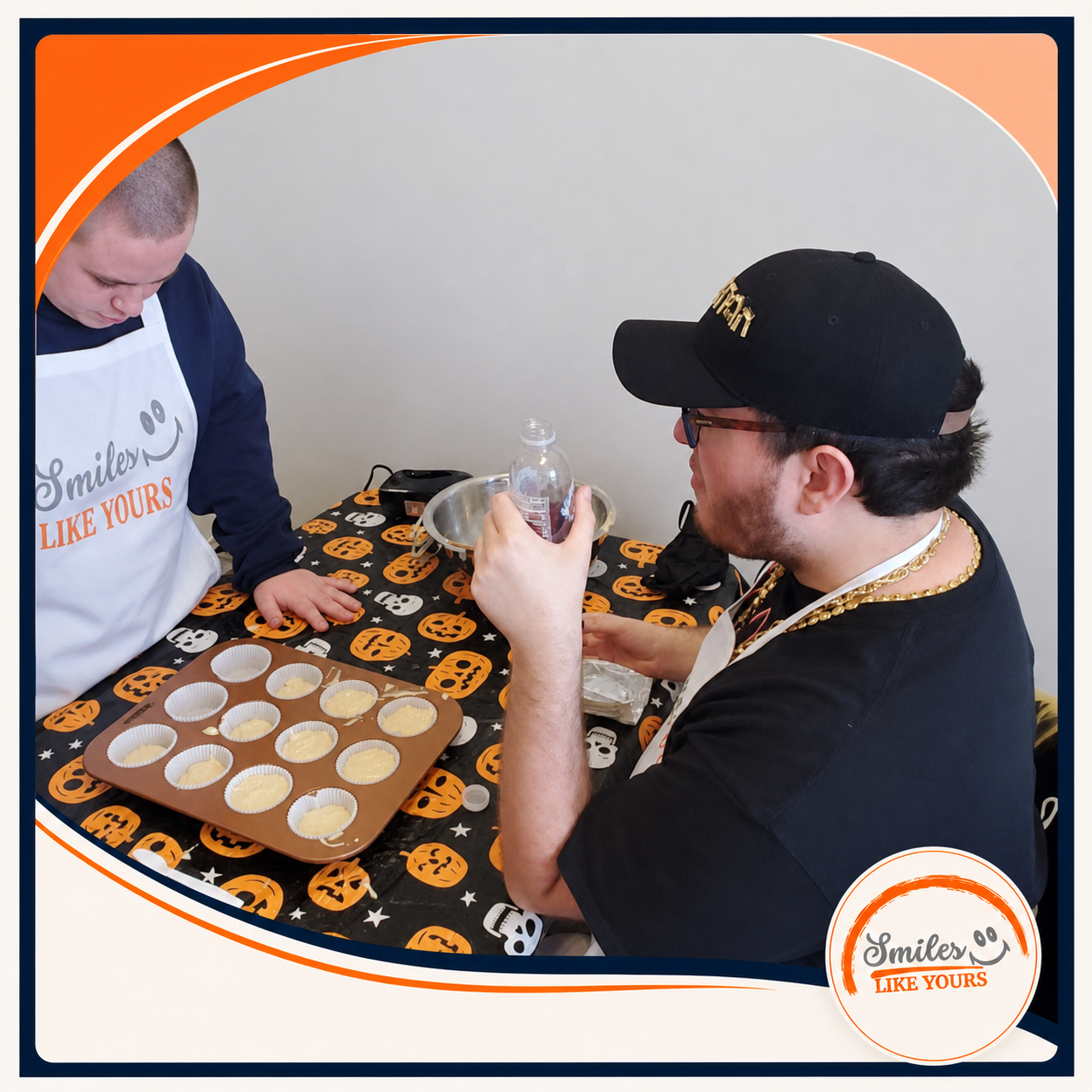
Cooking can include washing produce, measuring ingredients, stirring, using a microwave, setting a timer, assembling a sandwich, or preparing a complete recipe.
Select tasks that match the person’s abilities and comfort. Adapted utensils, nonslip mats, pre-cut ingredients, induction appliances, talking timers, and seated workspaces may improve access.
Food safety should be part of the activity. The USDA Food Safety and Inspection Service recommends four basic practices: clean, separate, cook, and chill. Account for allergies, swallowing needs, safe temperatures, and the level of supervision required.
3. Practice Grocery Shopping
Create a short list and visit a familiar store. The participant can locate items, compare two choices, check a price, place products in the cart, communicate with an employee, or complete payment.
Before the trip, review the store layout, transportation plan, sensory environment, and what to do if an item is unavailable. Practice during a quieter time if crowds or noise make participation difficult.
The objective is not speed. It is helping the person make choices and become familiar with a useful community routine.
4. Build a Personal Money Routine
Money skills can begin with real, relevant decisions: choosing between two affordable items, checking a receipt, identifying bills and coins, monitoring a prepaid card balance, or setting aside money for a goal.
Use the person’s preferred format, such as a calculator, pictures, envelopes, a spending tracker, or a banking app with appropriate security. Avoid using pretend money exclusively if the person can safely practice with real transactions.
The Consumer Financial Protection Bureau’s resources for people with disabilities include accessible tools for spending, bills, financial choices, and protection from exploitation. Benefits rules can be complex, so families should consult a qualified benefits counselor before making decisions that could affect SSI, Medicaid, or other assistance.
5. Create a Cleaning Routine
Choose one meaningful area rather than assigning an entire house. The activity might include wiping a table, organizing a bathroom counter, sweeping a small space, taking out trash, or checking whether supplies need to be replaced.
Provide a clear beginning and end. A photo showing what the finished space looks like can be more useful than a vague instruction such as “clean your room.”
Consider safe products, ventilation, allergies, mobility, and the person’s understanding of warning labels. Color-coded cloths or premeasured products can make the routine easier to follow.
6. Learn a Laundry Sequence
Laundry involves sorting, reading clothing labels, measuring detergent, selecting settings, transferring clothes, folding, and putting items away. A participant does not need to master every step at once.
Begin with a preferred role. The person might match socks, choose the correct machine setting, set a phone reminder, or organize clean clothes by drawer. Labels with pictures or colors can support navigation.
If machines are shared, include community considerations such as waiting, removing clothes on time, and keeping personal items together.
7. Organize Personal Belongings
Choose an area connected to the person’s routine: a backpack, bedroom drawer, activity bag, work supplies, or personal care items.
Ask the person where items make sense to them. Do not reorganize everything according to a caregiver’s preference and then expect the person to remember the system.
Clear containers, photographs, large-print labels, tactile markers, or consistent locations may help. The system should be easy for the person to maintain and should respect privacy.
8. Use a Schedule and Prepare for Appointments
A schedule may be written, visual, digital, or spoken through a device. Practice reviewing what is happening today, identifying the next activity, preparing needed items, and recognizing changes.
For an appointment, the participant might:
- Add the date to a calendar
- Choose a reminder time
- Prepare questions
- Pack identification or communication supports
- Review the transportation plan
- Decide who should attend
Avoid filling every minute of the day. A useful schedule creates predictability while leaving room for choice, rest, and spontaneous activities.
9. Practice Transportation and Route Planning
Transportation skills may involve reading a route, recognizing a stop, reserving an eligible ride, preparing for pickup, using a fare card, sharing a destination, or knowing whom to contact during a delay.
Start with a familiar, meaningful destination. Review the complete trip, including sidewalks, waiting areas, transfers, weather, accessibility, communication, and the return plan.
Some adults may travel independently. Others may always use supported transportation. The meaningful skill may be choosing the destination, preparing on time, recognizing the vehicle, or communicating with the driver.
Families can review the Smiles Like Yours services that connect transportation, community engagement, and supported living with each person’s broader goals.
10. Communicate Choices and Ask for Help
Self-advocacy begins with everyday choices. Offer real opportunities to select activities, food, clothing, companions, preferred assistance, and how a task is completed.
Practice useful messages such as:
- “I need help.”
- “Please explain that again.”
- “I want a break.”
- “No.”
- “I prefer this option.”
- “Something is wrong.”
Support the person’s established communication method. Do not require speech when gestures, pictures, typing, sign language, or a communication device are more effective.
11. Build a Personal Safety Plan
Safety skills should provide useful information without creating unnecessary fear. Focus on situations the person is likely to encounter.
The activity might include identifying trusted contacts, recognizing an emergency, practicing how to call for help, finding an exit, checking identification information, or reviewing what to do when separated from a group.
Personal safety also includes boundaries and consent. Adults should know that they can say no, ask for privacy, report uncomfortable behavior, and seek help from a trusted person.
Avoid assuming that teaching a rule eliminates risk. Environmental safeguards, accessible communication, appropriate staffing, and responsive support remain important.
12. Use Technology for an Everyday Purpose
Technology skills can support communication, transportation, employment, entertainment, scheduling, and relationships.
Practice one relevant task, such as:
- Setting an alarm
- Sending a message to a trusted contact
- Joining a video call
- Using a map
- Adding an event to a calendar
- Taking a photo of a shopping list
- Adjusting accessibility settings
Include privacy and security. Discuss passwords, suspicious messages, sharing personal information, online purchases, and whom to contact before responding to an unfamiliar request.
13. Practice Friendship and Social Skills
Social skills are not about forcing someone to appear less disabled or follow rigid social rules. They should help the person build the relationships they want while respecting their communication style and boundaries.
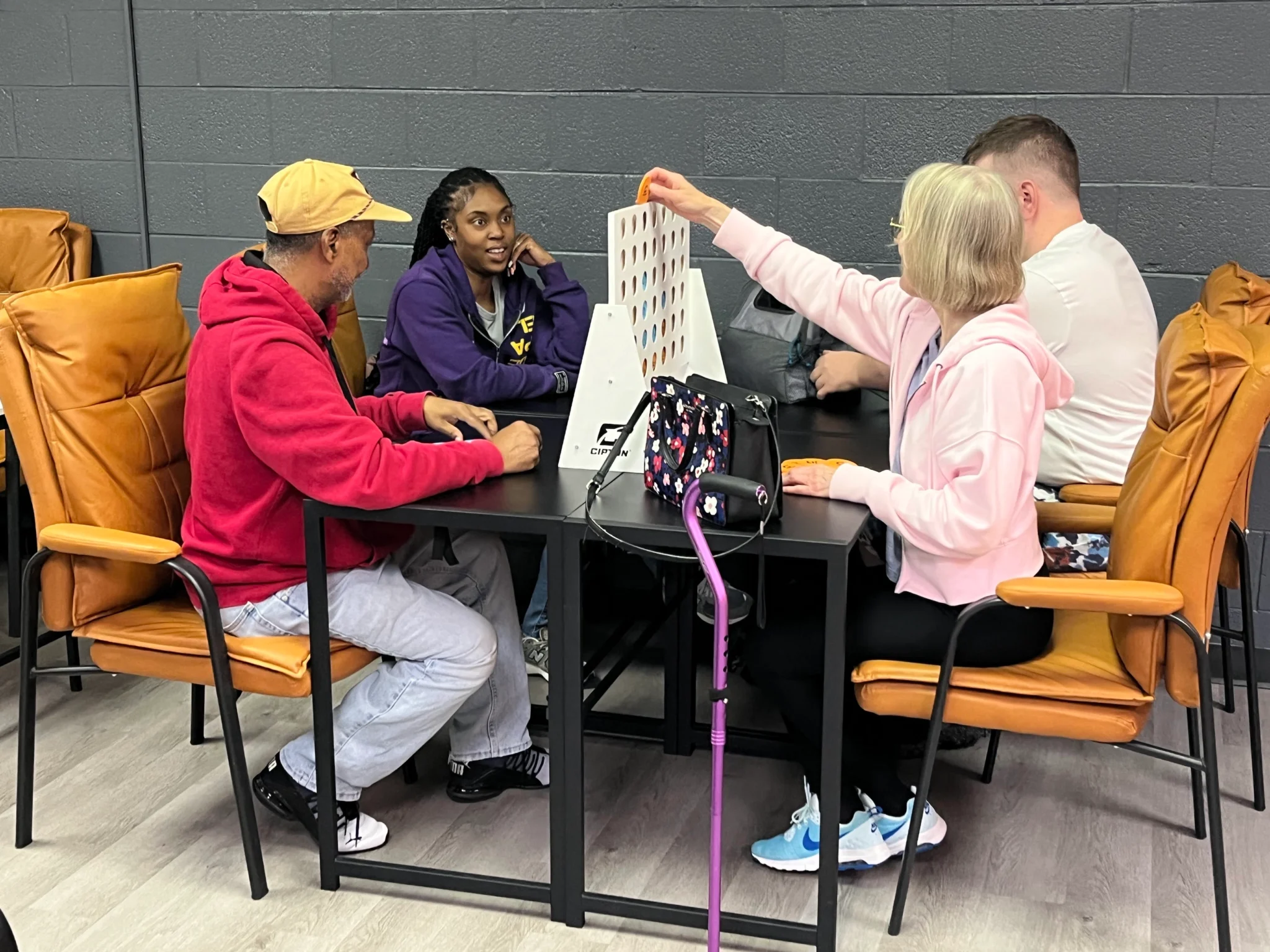
Activities might include inviting someone to join a game, taking turns choosing music, planning a shared outing, asking a follow-up question, handling disagreement, or communicating that they want time alone.
Use real interests and age-respectful settings. A social club, volunteer activity, cooking group, sports program, or community event may create more natural opportunities than repeated worksheets.
14. Participate in Community Responsibilities
Life skills include contributing, not only receiving support. A person might return library materials, help prepare a shared space, volunteer, care for a community garden, bring supplies to an activity, or help plan an event.
Choose a role that is visible and meaningful. Repeatedly assigning adults only simple “helper” tasks can feel tokenizing. Ask what responsibility they want and what support would make it possible.
Community participation can combine transportation, communication, time management, teamwork, problem-solving, and confidence in one authentic experience.
15. Review a Health and Wellness Routine
Health-related life skills may include communicating pain, choosing movement activities, preparing questions for a provider, following an approved wellness plan, tracking sleep, or recognizing when professional help is needed.
Medication should only be handled according to the person’s authorized plan and appropriate professional guidance. A life skills activity should not change medication, diet, treatment, or exercise recommendations.
Focus on participation. The adult may help prepare an appointment list, identify a preferred physical activity, choose between approved meal options, or communicate how they feel.
How to Teach Life Skills Without Taking Over
Support should make participation possible while preserving the person’s voice. Helpful strategies include:
- Ask before helping.
- Demonstrate one step at a time.
- Use the least assistance needed for success and safety.
- Offer visual, written, verbal, tactile, or technology-based instructions.
- Allow enough time for the person to respond.
- Break a task into manageable steps.
- Practice in the real environment when possible.
- Adapt tools or the environment instead of blaming the person.
- Accept a safe method that differs from your own.
- Let the person pause, decline, or choose another goal.
Avoid completing a task automatically because it is faster. At the same time, do not withdraw necessary support in the name of independence. The right level of assistance may change by task, environment, health, familiarity, or day.
How to Measure Progress Respectfully
Progress is not limited to performing a task alone. Meaningful changes may include:
- Making more choices
- Completing one additional step
- Using less prompting
- Asking for help earlier
- Trying the task in a new environment
- Communicating preferences more clearly
- Using an adapted tool successfully
- Recovering from a change in the routine
- Directing another person through the task
- Deciding that a different goal is more important
Ask the participant what felt successful. A tracking system should support their goals, not turn daily life into a constant test.
Life Skills in Adult Day and Supported Living Programs
Life skills are most useful when connected to real routines and personal goals. Adult day programs can provide opportunities through cooking, shopping, creative projects, community outings, volunteering, scheduling, and shared responsibilities.
Supported living may offer practice in the person’s home with routines such as meal preparation, cleaning, transportation, appointments, and household organization.
The Smiles Like Yours services page describes structured skill-building within its Adult Social Club and personalized assistance with daily needs through Supported Living Services. It also highlights community engagement, transportation, housing guidance, and opportunities to build relationships.
Families should ask how a program:
- Selects goals with the participant
- Adapts activities around communication and accessibility
- Practices skills in real environments
- Coordinates with the person’s existing support plan
- Shares progress without speaking over the adult
- Balances safety with choice and appropriate risk
- Responds when a goal no longer fits the person
Frequently Asked Questions
What are the most important life skills for adults with disabilities?
The most important skills are the ones connected to the person’s goals and daily life. They may include communication, food preparation, personal care, money, transportation, organization, safety, relationships, and community participation.
How can adults with disabilities practice independent living skills?
Practice can happen through real routines at home, in an adult day program, at work, or in the community. Tasks should be broken into accessible steps, supported with appropriate tools, and connected to something the person values.
What if an adult cannot complete a task independently?
Independent participation does not always mean doing every step alone. The person may use adapted equipment, technology, visual guidance, physical assistance, or another person’s support. Making decisions and directing assistance are also meaningful skills.
How do you choose an appropriate life skills activity?
Begin with the adult’s interests, goals, current routines, communication, and support needs. Choose a task with a clear purpose, identify potential barriers, and ask what kind of assistance the person prefers.
Can life skills be taught in an adult day program?
Yes. Adult day programs can integrate skills into cooking, community outings, creative projects, wellness activities, volunteering, shopping, social groups, and everyday program responsibilities. Activities should remain person-centered and age-respectful.
Does Smiles Like Yours provide skill-building activities?
Yes. The Smiles Like Yours website describes skill-building, social activities, community engagement, supported living, and assistance with daily routines. Families should contact the team to confirm current availability and whether a particular program fits the adult’s goals and support needs.
Build Skills Around a Life the Person Chooses
The purpose of life skills activities is not to make every adult look or act the same. It is to expand choice, participation, confidence, and access to everyday life.
Begin with one goal that matters to the person. Adapt the task, provide the right support, practice in meaningful settings, and pay attention to the adult’s feedback. Success may be completing a meal, choosing a destination, asking for help, managing one part of a routine, or directing others with greater confidence.
If your family is exploring person-centered adult day support, community engagement, or supported living in Central Virginia, contact Smiles Like Yours or begin the intake and tour process.