Choosing a group home for an adult with developmental disabilities is a major decision. A website or phone call can help families create a shortlist, but a tour shows how a home actually feels: how staff interact with residents, how choices are respected, what daily life looks like, and whether the environment matches the person’s needs.
This group home checklist gives families 25 practical questions to ask before choosing a home. It is designed to help you compare options without losing sight of the most important consideration: the adult who may live there.
No single answer determines whether a home is the right fit. The goal is to gather clear information, observe carefully, and decide whether the setting can support the person’s safety, preferences, relationships, independence, and quality of life.
Begin With the Person, Not the Building
Before scheduling tours, talk with the person who needs support. When possible, include them in choosing homes to visit, preparing questions, touring the setting, and discussing each option afterward.
Consider what matters to the individual:
- Where would they like to live?
- Do they prefer a quiet home or a more social environment?
- What routines are important to them?
- How do they communicate choices, discomfort, or excitement?
- What help do they need with meals, medication routines, personal care, transportation, or appointments?
- Which activities, relationships, cultural practices, and community connections should continue?
- What makes a space feel comfortable and safe?
Virginia’s requirements for Home and Community-Based Services emphasize community access, privacy, dignity, respect, autonomy, and choice. These principles are useful when evaluating any residential setting, whether services are waiver-funded or paid another way.
A good tour is not only about asking, “Can this home provide support?” It is also about asking, “Can this person build a life here that reflects who they are?”
Group Home Checklist: 25 Questions to Ask During a Tour
Bring this checklist to each visit and write down the answers. Ask for examples when a response feels general. Policies matter, but everyday practice matters too.
Safety, Accessibility, and the Home
1. How do you determine whether the home can safely meet a person’s needs?
Ask what information the provider reviews before admission and who participates in the assessment. Describe mobility, communication, behavioral, sensory, supervision, and health-management needs honestly. A responsible provider should evaluate fit rather than promise that every home works for every person.
2. What support is available at different times of day?
Clarify what support looks like during mornings, evenings, overnight hours, weekends, and holidays. Ask how residents get help when an unexpected need arises. If the provider uses terms such as “24-hour support” or “on-call support,” ask what those terms mean in practice.
3. Is the home physically accessible for this person?
Look beyond the front entrance. Consider bedrooms, bathrooms, showers, hallways, stairs, door widths, outdoor areas, emergency exits, and transportation access. Ask whether adaptations can be made and who is responsible for arranging them.
4. How are emergencies and severe weather handled?
Ask about fire drills, evacuation plans, power outages, severe weather, medical emergencies, missing-person procedures, and how families are notified. The plan should account for residents who need mobility, communication, sensory, or behavioral support during an emergency.
5. How are safety concerns, incidents, and complaints reported?
Families should understand how to report a concern, who investigates it, when they will receive an update, and how residents are protected from retaliation. Ask how the provider identifies patterns and prevents similar incidents from happening again.
Staffing and Individual Support
6. How are staff selected, trained, and supervised?
Ask about background screening, orientation, ongoing training, competency checks, and supervision. Then ask which training is specific to the prospective resident’s needs. Do not assume that general experience automatically prepares every staff member for every person.
7. How is staffing planned around residents’ actual needs?
A simple staff-to-resident number does not tell the whole story. Ask how staffing changes when someone has an appointment, needs one-to-one support, becomes ill, or wants to participate in a separate activity. Confirm how the provider covers callouts and vacancies.
8. How do staff learn each resident’s communication style?
Explain how the person expresses yes, no, pain, anxiety, choice, or a need for a break. Ask whether staff use communication devices, visual schedules, plain language, sign language, gestures, or other individualized methods when needed.
9. How do you support positive behavior and emotional well-being?
Ask how staff identify triggers, respect sensory needs, prevent escalation, and respond when a person is distressed. Look for individualized, respectful approaches that focus on understanding the person rather than controlling them.
10. How do you maintain consistency when staff members change?
Turnover can disrupt routines and relationships. Ask how new team members learn the support plan, how important information is communicated between shifts, and how the provider helps residents adjust to changes.
Health, Medication, and Personal Care
11. How are health needs and medication routines supported?
Ask how the provider follows authorized medication procedures, documents support, communicates concerns, and coordinates with the resident’s healthcare professionals and authorized representatives. Be specific about the person’s needs. Residential support and licensed medical care are not automatically the same service.
12. What happens when a resident is sick or needs urgent care?
Clarify who notices changes, who is contacted, who provides transportation, and who stays with the person if an appointment or emergency visit is needed. Ask how instructions and follow-up information are shared.
13. How is personal care provided with dignity and privacy?
Discuss assistance with bathing, dressing, toileting, grooming, eating, and other daily activities as applicable. Ask how preferences are recorded, how privacy is protected, and whether residents can request support from a particular staff member when feasible.
14. How are meals planned and individual dietary needs addressed?
Ask how residents participate in choosing, shopping for, and preparing food. Discuss allergies, texture needs, medical diets, cultural preferences, and favorite foods. Observe whether the kitchen and dining routine feel like part of a home.
15. How are appointments, records, and changes in needs coordinated?
Ask who keeps track of appointments, communicates with the support coordinator and care team, maintains required documentation, and updates the individual support plan. Find out how the resident and family are included when needs or goals change.
Daily Life, Choice, and Independence
16. What does a typical weekday and weekend look like?
Ask for real examples, but make sure a “typical day” is not a rigid schedule imposed on everyone. Residents should have opportunities to make choices about sleep, meals, activities, private time, and community participation.
17. How do residents make choices in their own home?
Ask whether residents can choose clothing, meals, decorations, activities, bedtime, visitors, and how they spend free time. Explore what happens when housemates want different things.
18. How do you teach and maintain daily living skills?
Support should not automatically replace what a person can do. Ask how staff help residents practice cooking, cleaning, laundry, money skills, self-advocacy, transportation, scheduling, and other goals at an appropriate pace.
19. How are personal interests and meaningful activities supported?
Give examples of the person’s interests and ask how the home would help them continue or discover activities. Meaningful participation may include recreation, volunteering, employment, faith communities, classes, clubs, hobbies, or time with friends.
20. How is transportation arranged?
Ask what transportation the provider offers or coordinates, which destinations are included, how trips are scheduled, whether vehicles are accessible, and what happens when residents have different plans. Never assume that residential service includes every ride.
Rights, Relationships, and Community Connection
21. How are privacy, dignity, and resident rights protected?
Ask about bedroom privacy, personal belongings, phone use, visitors, mail, internet access, and private conversations. Find out how residents learn about their rights in a format they understand.
22. How do residents participate in decisions about their services?
Ask how the individual is included in planning meetings and day-to-day decisions. The provider should be able to explain how choices are offered, documented, and respected, including for someone who communicates without speech.
23. How are family relationships and friendships supported?
Discuss visits, phone or video calls, celebrations, overnight visits, and transportation to see important people. Ask how the provider supports relationships while respecting the adult resident’s preferences and privacy.
24. How do residents access the broader community?
Look for individualized access rather than only group outings. Ask whether residents can choose where they go, develop relationships with people who do not receive services, and participate in community life in ways that match their interests.
25. What is the admission, transition, and move-out process?
Ask which assessments and documents are required, how funding is confirmed, whether introductory visits are possible, and how belongings and routines are transferred. Also ask what happens if the placement is not successful, needs change, or the person chooses to move.
What to Observe During the Group Home Tour
The answers you receive are only part of the evaluation. Pay attention to what you see, hear, and feel, while respecting residents’ privacy.
Look for signs that:
- Staff speak directly to residents rather than only speaking about them.
- Interactions are patient, warm, and age-appropriate.
- Residents appear comfortable approaching staff.
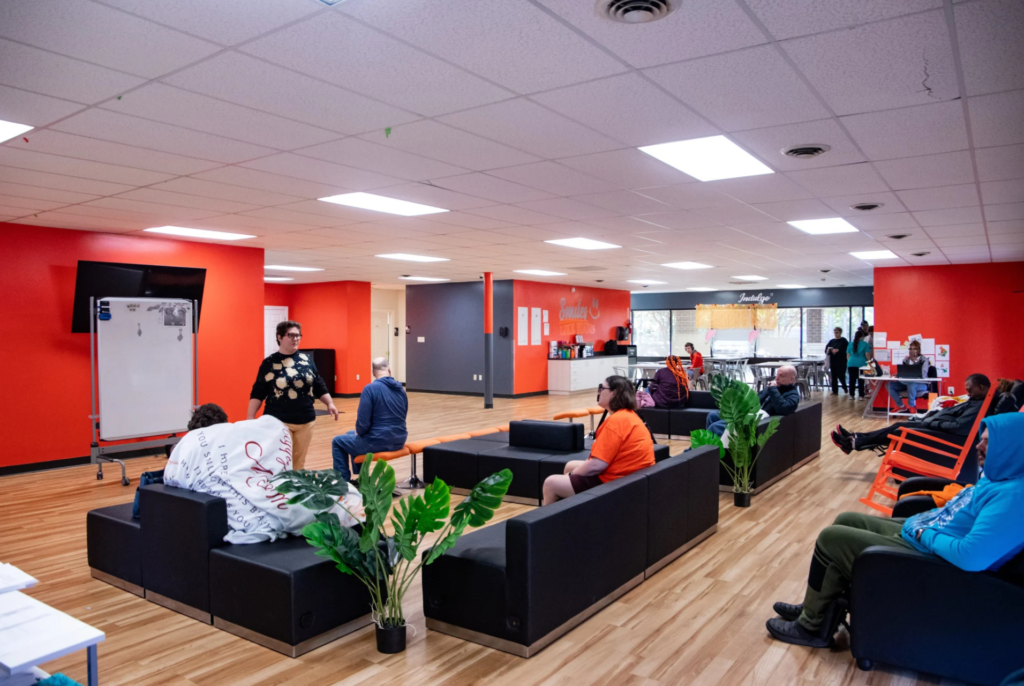
- Personal photos, decorations, and belongings make the space feel lived in.
- The home is clean and maintained without feeling institutional.
- Residents have private space as well as shared space.
- Posted schedules allow room for individual choice.
- Food, communication tools, and frequently used items are accessible as appropriate.
- Staff can describe residents as individuals with preferences, strengths, and goals.
- The neighborhood offers realistic access to transportation, shopping, recreation, healthcare, and other valued places.
If possible, visit more than once or at different times. A scheduled daytime tour may not show what evenings, shift changes, meals, or weekends are like. Ask before taking photographs, entering private rooms, or speaking with residents.
How to Compare Group Homes After Each Visit
Complete your notes immediately after the tour. Facts and impressions can blur when families visit several locations.
Use the same categories for every home:
- Essential requirements: Can the setting safely meet non-negotiable support and accessibility needs?
- Personal fit: Does the environment match the person’s preferences, communication style, sensory needs, and social comfort?
- Choice and rights: Does daily practice support privacy, autonomy, dignity, and meaningful choices?
- Community life: Can the person maintain important relationships and participate in activities beyond the home?
- Communication: Were answers clear, specific, consistent, and open to follow-up?
- Transition: Is there a thoughtful plan for learning about the person and helping them adjust?
Invite the prospective resident to share feedback in the way that works best for them. This may be a conversation, rating scale, visual choice board, another visit, or observation of their responses during and after the tour.
Virginia Licensing, Waivers, and Provider Research
Families in Virginia can use the DBHDS Licensing and Provider Search information to research licensed providers. Remember that a listed bed count is a point-in-time record and does not confirm current availability. Ask the provider directly about vacancies, the specific home, and whether it can meet the person’s assessed needs.
Virginia operates three Developmental Disability waivers: the Building Independence Waiver, Family and Individual Supports Waiver, and Community Living Waiver. The Virginia Department of Medical Assistance Services explains that services, eligibility, and available slots vary. Group home residential services are associated with the Community Living Waiver, but having Medicaid or a waiver does not by itself guarantee a particular placement or provider.
Families who need to begin the DD waiver process should contact their local Community Services Board. People already receiving waiver services should discuss residential options, authorization, and person-centered planning with their Support Coordinator. Private-pay arrangements should be confirmed directly with the provider.
The state’s Home and Community-Based Services requirements are also helpful when evaluating a setting. They address integration, community access, privacy, dignity, autonomy, and choice of services and providers.
What Residential Support Does Smiles Like Yours Offer?
Smiles Like Yours Group Home Services provide a structured residential environment with on-site support 24 hours a day, 365 days a year. The organization describes support with daily living, health management, personal growth, social connections, and community involvement.
Smiles Like Yours also offers Supported Living for adults who live in their own apartment, alone or with a roommate, and receive personalized assistance in the home. Because Group Home Services and Supported Living are different models, families should compare the level of support, living arrangement, routines, and individual goals before deciding which option to explore.
SLY lists residential and community services in Richmond, Chesterfield, Henrico, Midlothian, Chester, and surrounding areas. Visit the locations page for the organization’s current service-area information.
To explore fit, begin with the Smiles Like Yours four-step process: schedule a tour, request a referral from the individual’s Support Coordinator when applicable, complete an initial assessment, and proceed with admission if the program and person are a match.
Availability, eligibility, funding, and fit must be confirmed individually. Contact Smiles Like Yours for current information rather than assuming that a particular home, opening, service, or funding arrangement is available.
Frequently Asked Questions
What should I bring to a group home tour?
Bring this checklist, a notebook, and a summary of the person’s priorities and support needs. If appropriate, bring communication tools or accessibility information that will help the provider understand how the person participates. Avoid sharing unnecessary private medical information before you understand how it will be protected and used.
Should the adult who may live there attend the tour?
Whenever possible, yes. The person should have meaningful opportunities to see the home, meet people, ask questions, and express preferences. Some individuals may benefit from a shorter first visit, photographs provided with permission, a visual schedule, or multiple visits before making a decision.
Is 24/7 support the same as nursing care?
No. Around-the-clock residential support does not automatically mean licensed nursing or clinical care is present. Ask exactly which professionals and trained staff are available, what tasks they can perform, and how medical needs and emergencies are handled.
Does a Virginia DD waiver guarantee a group home placement?
No. Eligibility, waiver enrollment, service authorization, provider capacity, assessed needs, individual choice, and current availability all affect access. Work with the Support Coordinator and verify details with the provider and Virginia agencies.
How can I schedule a tour with Smiles Like Yours?
Use the Smiles Like Yours contact page or follow the steps on the Get Started page. During the first conversation, describe the person’s goals and support needs and ask which residential model may be appropriate to explore.
Take the Next Step With Clear Questions
A group home tour should give families more than a view of the building. It should reveal how support is delivered, how residents exercise choice, how staff respond to individual needs, and how daily life connects to the larger community.
Use the same 25 questions at every visit, document the answers, and keep the prospective resident at the center of the decision. If you are exploring residential support in Central Virginia, contact Smiles Like Yours to ask about Group Home Services, Supported Living, the assessment process, and current availability.
This article provides general educational information and is not legal, medical, financial, or eligibility advice. Program details, regulations, funding, and availability may change. Confirm current information with the provider, the individual’s Support Coordinator, DBHDS, and DMAS.