Sensory activities for adults with disabilities can create opportunities for enjoyment, choice, creativity, movement, and connection. The best activities are not defined by expensive equipment or a complicated setup. They begin with the individual: what they enjoy, what they prefer to avoid, how they communicate, and what helps them feel comfortable and engaged.

One adult may enjoy upbeat music and an active group activity. Another may prefer soft lighting, familiar textures, or a quiet walk outdoors. The same sound, movement, scent, or material can feel pleasant to one person and uncomfortable to another. That is why sensory support should always be flexible, respectful, and person-centered.
This guide offers 15 sensory activity ideas that families, caregivers, and adult day programs can adapt around each person’s interests, abilities, communication style, and support needs.
What Are Sensory Activities for Adults with Disabilities?
Sensory activities are experiences that involve one or more sensory systems. Most people are familiar with sight, hearing, smell, taste, and touch. Sensory experiences can also involve balance and movement, awareness of body position, and signals from inside the body such as thirst, hunger, temperature, or the need for rest.
The way a person notices, organizes, and responds to this information is often called sensory processing. Sensory preferences are individual. A busy room may feel energizing to one person and overwhelming to another. A textured art project may be enjoyable for one participant, while someone else may prefer to use tools or gloves instead of touching the materials directly.
The National Autistic Society’s sensory processing guidance notes that sensory differences can affect eating, sleeping, learning, working, socializing, self-care, and participation in public places. Although sensory differences are commonly discussed in relation to autism, people with many different developmental disabilities may have individual sensory preferences and support needs.
Sensory activities should not be used to control behavior or require compliance. Their purpose is to offer meaningful experiences and make participation more accessible.
Start With the Person, Not the Activity
Before planning sensory play for adults, learn what the person already chooses in everyday life. Preferences often provide the best clues.
Consider questions such as:
- What music, colors, foods, scents, movements, or textures do they enjoy?
- Which environments do they approach or avoid?
- Do they prefer active experiences or a slower pace?
- How do they communicate enjoyment, discomfort, or the need for a break?
- Are there allergies, mobility needs, medical considerations, or swallowing concerns?
- Would they rather participate alone, beside another person, or in a group?
- What choices can they make before and during the activity?
The American Occupational Therapy Association explains that meaningful everyday activities are influenced by a person’s context, performance patterns, skills, and individual factors. In practice, this means the value of an activity comes from how well it fits the person—not from whether it appears on a standard list.
15 Sensory Activities for Adults with Disabilities
These ideas can be simplified, expanded, or combined. Participation may mean leading the activity, completing one step, making a choice, observing, or enjoying the experience for a short time.
1. Create a Personalized Music Station
Offer a small selection of familiar songs, headphones, a speaker with adjustable volume, or simple instruments. Let the participant choose the music and decide whether to listen, sing, move, or simply relax.
Music can support self-expression, shared enjoyment, memory, and social connection. Keep the volume comfortable and provide a quiet alternative for anyone who does not want to participate.
2. Explore Rhythm and Drumming
Use hand drums, shakers, rhythm sticks, tabletop tapping, or body percussion. Participants can copy a simple beat, create their own rhythm, or take turns leading the group.
Adapted handles, lightweight instruments, and different seating options can make the activity more accessible. The goal is not musical accuracy. It is participation, choice, and enjoyment.
3. Make Textured Art
Create collages or paintings with materials such as fabric, foam shapes, yarn, sponges, textured paper, stamps, or natural objects. Offer glue sticks, brushes, tongs, or gloves so participants can choose how directly they interact with each texture.
Avoid insisting that someone touch a material they dislike. A person can select colors, arrange items, direct a support professional, or participate in another comfortable way.
4. Plant and Care for an Indoor Garden
Gardening can include the scent of herbs, the texture of soil, visual changes in plants, movement, and practical responsibility. Participants might fill pots, choose seeds, water plants, decorate labels, or harvest herbs for a cooking activity.
Use accessible containers and tools, and check for plant sensitivities or allergies. For someone who dislikes soil, hydroponic growing, gloves, or a watering role may be a better fit.
5. Prepare a Simple Recipe
Cooking brings together smell, taste, touch, sound, movement, sequencing, and daily living skills. Try assembling fruit cups, mixing a smoothie, decorating a snack, making sandwiches, or preparing a familiar family recipe.
Offer meaningful roles such as choosing ingredients, measuring, stirring, setting the table, or creating a menu card. Always account for allergies, food preferences, dietary requirements, safe food handling, and individual swallowing needs.
6. Try a Safe Scent-Choice Activity
Present a few mild, familiar scents in separate containers, such as vanilla, citrus peel, mint, cinnamon sticks, or fresh herbs. The person can indicate whether they like, dislike, recognize, or want to avoid each scent.
Keep scents subtle, never place them directly under someone’s nose, and do not use essential oils without understanding potential sensitivities. Good ventilation and the ability to leave the area are important.
7. Use Water in a Purposeful Activity
Watering plants, washing vegetables, wiping tables, transferring water between containers, or using a spray bottle for art can provide interesting tactile and movement experiences while contributing to a real task.
Check water temperature, prevent slippery floors, supervise as needed, and offer tools or gloves for participants who do not enjoy wet hands.
8. Add Movement, Stretching, or Dance
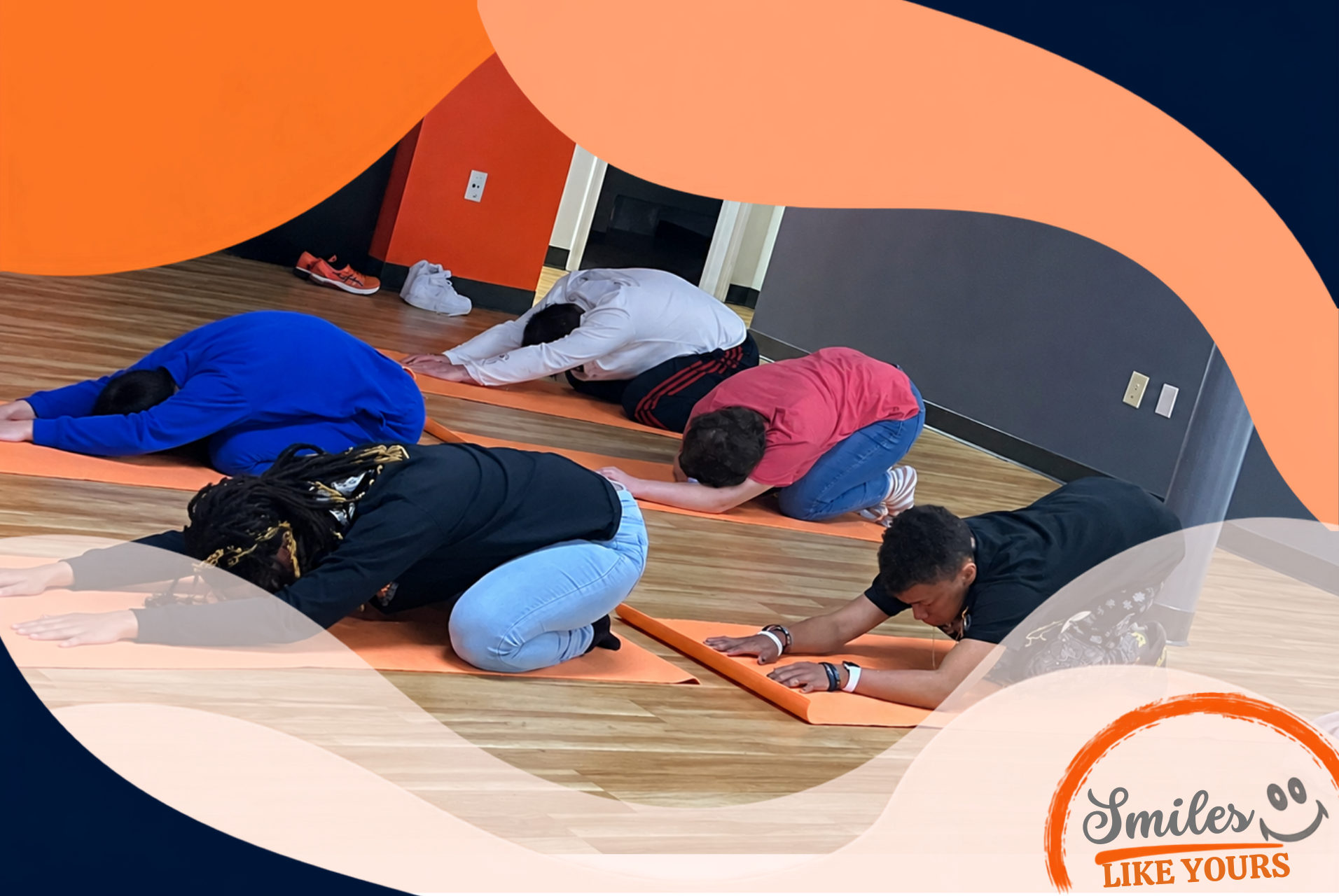
Movement can include seated stretching, guided dance, walking, yoga-inspired poses, scarf movement, balloon volleyball, or following a favorite song. Give participants options for intensity, pace, position, and duration.
Movement should reflect the person’s mobility, health, and comfort. Adapt the activity instead of treating one version as the correct way to participate.
9. Include Everyday “Heavy Work”
Activities that involve pushing, pulling, carrying, or resistance may provide proprioceptive input—the body’s awareness of muscles and joints. Everyday examples can include moving lightweight supplies, kneading dough, pushing a cart, wiping a table, gardening, or using resistance bands under appropriate guidance.
The Nottinghamshire Healthcare NHS Foundation Trust emphasizes that sensory strategies are unique to each person and recommends working with an occupational therapist to understand individual sensory needs. Never assume that a movement or pressure activity is appropriate for everyone.
10. Take a Sensory-Friendly Nature Walk
A walk can become a choice-based sensory experience. Participants might look for certain colors, photograph flowers, listen for birds, feel the breeze, notice different surfaces, or collect safe natural items for a later art project.
Plan for accessibility, weather, hydration, traffic, allergies, and rest. A short visit to a garden, courtyard, or shaded area can be just as meaningful as a long trail.
Families can see examples of outdoor experiences and community participation in the Smiles Like Yours gallery.
11. Sort Familiar Objects and Materials
Sorting activities can use buttons, fabric squares, large beads, cards, kitchen tools, sports items, or other objects connected to the participant’s interests. Items can be organized by color, texture, size, purpose, or personal preference.
Avoid small objects when there is a risk of swallowing. The activity should feel age-respectful and purposeful, not childish. For example, sorting art supplies for a group project may be more meaningful than handling unrelated objects.
12. Experiment With Light and Color
Use adjustable lamps, colored transparent sheets, a light table, projected nature scenes, or a simple photography activity. Participants can choose colors, create patterns, or compare how a space feels under different lighting.
Some people are sensitive to bright, flashing, or fluorescent light. Avoid strobe effects and make sure the participant can control or leave the visual experience.
13. Build a Personal Comfort Kit
A comfort kit may include preferred items such as headphones, sunglasses, a soft fabric, a familiar object, a fidget tool, a visual choice card, or another safe item selected by the person.
The individual should help choose what goes into the kit and decide when to use it. It should remain accessible rather than being treated as a reward that must be earned.
14. Adapt a Favorite Game
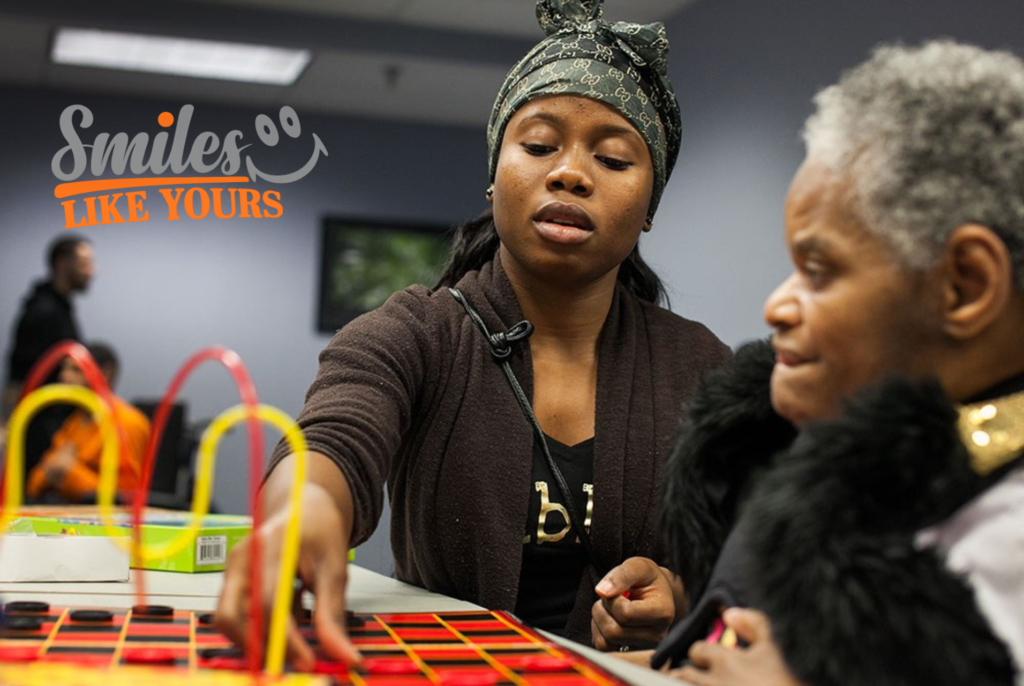
Games can combine visual, tactile, movement, and social experiences. Consider large-piece puzzles, cards, Connect Four, beanbag toss, bowling, matching games, or cooperative challenges.
Adjust the rules, number of steps, noise level, team size, or length of play. Adults should be able to join without being pressured to compete or remain in the activity longer than they want.
15. Plan a Sensory-Aware Community Outing
Community settings offer real sensory experiences: the sounds of a bowling alley, the smell of a bakery, the movement of a boat, the colors in a museum, or the textures in a garden center.
Prepare by discussing what to expect, reviewing photos, choosing a quieter time, bringing preferred support items, and identifying a place to take a break. Community participation becomes more accessible when the environment and support plan reflect the individual.
Smiles Like Yours combines center-based experiences with community engagement programs and activities designed around meaningful participation and personal growth.
How to Adapt Sensory Activities Without Removing Choice
An activity can be accessible without looking exactly the same for every participant. Helpful adaptations include:
- Offer two or three clear choices instead of presenting too many options at once.
- Demonstrate the activity before asking the person to join.
- Let participants observe before deciding.
- Introduce one sensory element at a time.
- Provide tools, gloves, headphones, seating choices, or visual instructions.
- Allow the person to pause, change roles, or stop.
- Use familiar materials before introducing something new.
- Keep the first attempt short and notice the person’s response.
- Ask what they liked and what they would change next time.
Communication may happen through speech, gestures, facial expression, behavior, visual supports, a device, or another method. Staff and caregivers should pay attention to the person’s established way of expressing yes, no, discomfort, interest, and the need for a break.
Signs an Activity May Need to Change
Sensory activities should support participation, not create pressure. Pause and reassess if the person:
- Moves away, covers their ears or eyes, or repeatedly rejects the material
- Appears tense, distressed, unusually quiet, or increasingly agitated
- Communicates “no,” “stop,” “finished,” or asks to leave
- Shows discomfort related to lighting, sound, smell, touch, movement, or temperature
- Has difficulty returning to a comfortable state after the activity
Do not assume every response is sensory. Pain, illness, fatigue, hunger, anxiety, communication barriers, or an activity that is too difficult may also affect participation. When sensory differences significantly interfere with daily life, an occupational therapist or appropriate healthcare professional can help evaluate individual needs.
Sensory Activity Safety Checklist
Before beginning, confirm that:
- The participant has a genuine choice about joining.
- Known allergies and medical considerations have been reviewed.
- Food activities account for dietary and swallowing needs.
- Materials are age-appropriate, nontoxic, and not a choking risk.
- Water, heat, movement, and community environments are safely supervised.
- The person has a clear way to request a break or stop.
- A quieter or lower-intensity alternative is available.
- Staff know what comfort and distress typically look like for the individual.
Weighted items, deep-pressure techniques, specialized equipment, or formal sensory plans should not be introduced simply because they are popular online. The National Autistic Society advises seeking occupational therapy assessment when considering weighted blankets or vests. Individual professional guidance is especially important when there are medical, mobility, circulation, breathing, or communication concerns.
What Sensory Support Can Look Like in an Adult Day Program
A quality adult day program does not need every participant to enjoy the same activity. Instead, it creates flexible ways to engage.
Sensory-aware support may include:
- A mix of active and quiet choices
- Predictable schedules with advance notice of changes
- Access to quieter spaces
- Adjustable volume, lighting, and group size when possible
- Familiar staff who recognize individual communication
- Adapted materials and multiple ways to participate
- Community outings planned with accessibility and comfort in mind
- Regular communication with the participant, family, and support team
At Smiles Like Yours, activities are part of a broader person-centered approach. Adults can explore interests, build skills, develop friendships, and participate in the Richmond community with support shaped around their goals and preferences.
Frequently Asked Questions
What are good sensory activities for adults with disabilities?
Good sensory activities are safe, age-respectful, meaningful, and chosen around the individual’s preferences. Options may include music, cooking, gardening, textured art, movement, nature walks, water-based tasks, adapted games, and community outings.
What is sensory play for adults?
Sensory play for adults is any enjoyable or purposeful experience that involves sensory input such as sound, touch, sight, smell, taste, movement, or body awareness. It should respect adult interests and offer real choice rather than copying activities designed for young children.
Are sensory activities only for autistic adults?
No. Autistic adults may experience sensory differences, but sensory preferences and needs can be relevant to people with many developmental, intellectual, physical, or neurological disabilities. Every person’s experience is different.
How do you know whether a sensory activity is helping?
Observe and ask the participant. Helpful signs may include voluntary engagement, relaxed body language, positive communication, interest, or requesting the activity again. If the person avoids the experience, becomes distressed, or asks to stop, the activity should be changed or ended.
Can sensory activities be part of an adult day program?
Yes. Adult day programs can incorporate sensory-aware options into art, cooking, music, wellness, daily living skills, games, and community outings. Activities should be adaptable and connected to each participant’s goals and preferences.
Does Smiles Like Yours offer activities for adults with developmental disabilities?
Yes. Smiles Like Yours provides adult day support, social activities, skill-building experiences, and community engagement for adults with developmental disabilities in Richmond and surrounding Central Virginia communities. Availability and individual program fit should be confirmed with the Smiles Like Yours team.
Create Meaningful Experiences Around the Individual
The most effective sensory activities for adults with disabilities begin with respect. Adults deserve experiences that reflect their age, interests, culture, communication, abilities, and personal choices.
Start with what the person already enjoys. Offer options without pressure. Adapt the environment, notice their response, and be willing to change the plan. A meaningful activity is not measured by how long someone participates or whether everyone completes the same steps. It is measured by whether the person had an authentic opportunity to choose, engage, connect, and enjoy the experience.
If your family is exploring person-centered adult day support in Central Virginia, schedule a tour or begin the referral process with Smiles Like Yours.