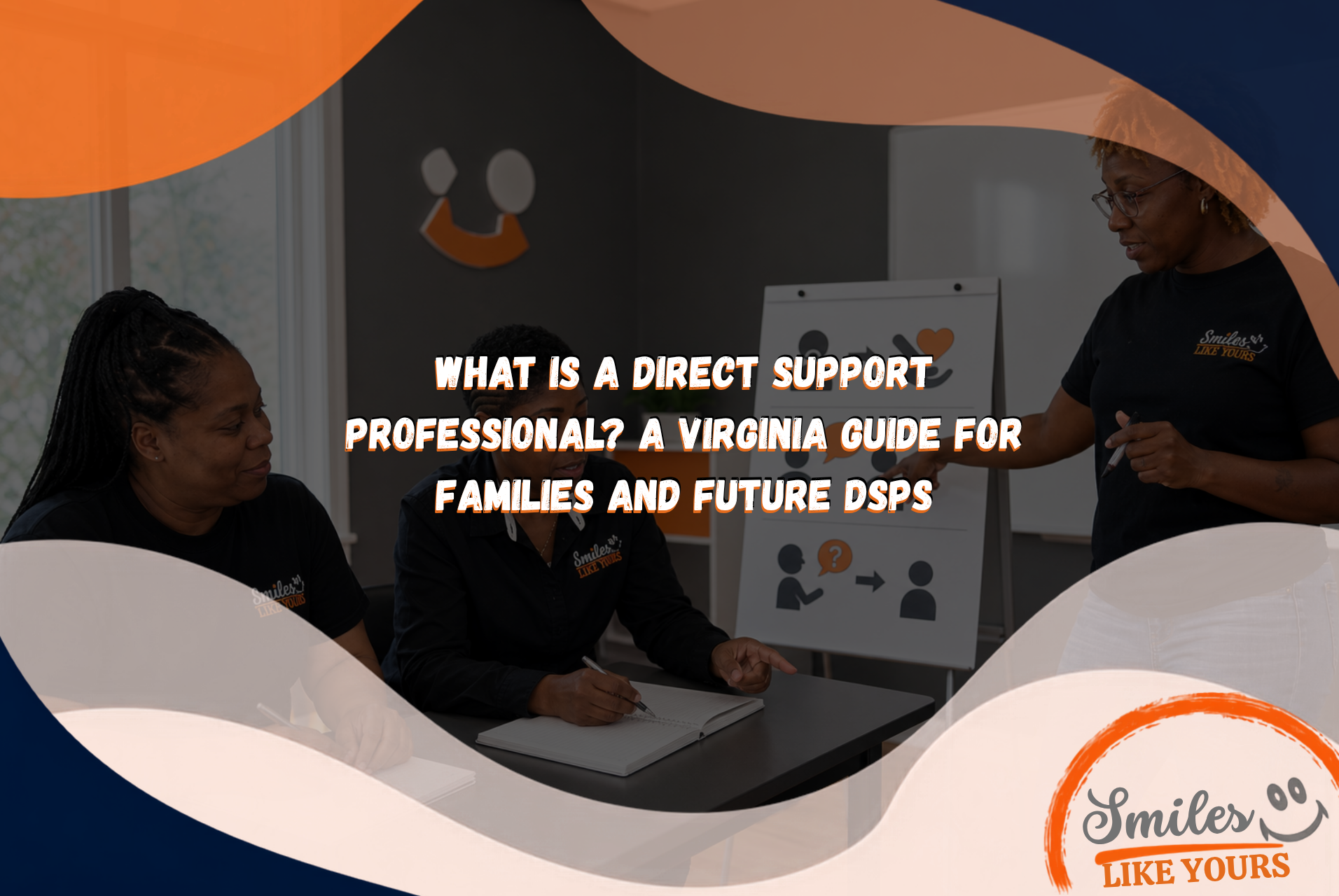
A direct support professional, often called a DSP, works alongside people with intellectual and developmental disabilities so they can make choices, build skills, stay connected, and participate more fully in everyday life. The role may include practical assistance, but high-quality direct support is not simply about doing things for someone. It is about helping each person direct their own life with the right level of support.
For families, understanding the DSP role can make it easier to evaluate services and build a strong support team. For job seekers, it can reveal a meaningful career centered on relationships, problem-solving, inclusion, and person-centered practice.
This guide explains what a direct support professional does, which qualities matter most, what Virginia requires, and how DSPs support adults with developmental disabilities at home, in day programs, and throughout the community.
What Is a Direct Support Professional?
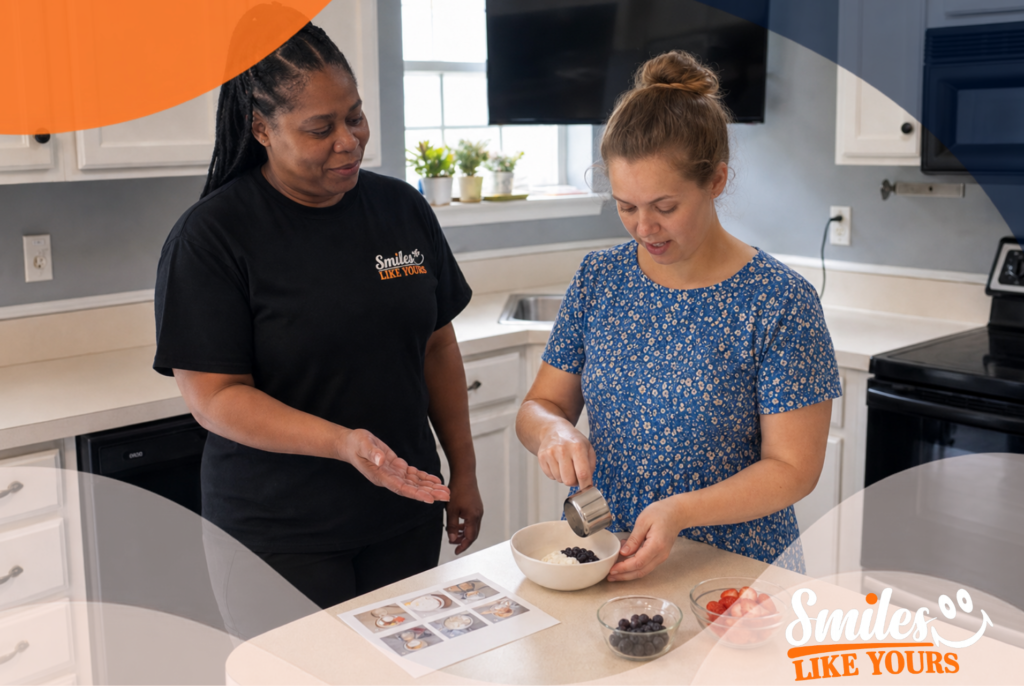
A direct support professional provides day-to-day support to a person with an intellectual or developmental disability. DSPs may work in adult day programs, group homes, supported living settings, private homes, community engagement programs, employment services, or other home- and community-based services.
The exact support looks different for every person. One adult may want help planning transportation and participating in community activities. Another may need assistance with communication, medication routines, personal care, meal preparation, or household responsibilities. Someone else may be working toward greater independence with budgeting, shopping, cooking, social interaction, or decision-making.
The common thread is person-centered support. The person receiving services should remain at the center of the goals, choices, routines, and relationships that shape their life.
The National Alliance for Direct Support Professionals Code of Ethics describes the purpose of direct support as helping people lead self-directed lives and participate fully in their communities. That principle separates professional support from supervision that is controlling, impersonal, or based only on completing tasks.
What Does a Direct Support Professional Do?
There is no single routine that describes every DSP position. Responsibilities depend on the individual support plan, the service setting, the person’s preferences, and the level of assistance needed.
1. Support Choice and Self-Determination
A strong DSP creates opportunities for the person to make meaningful choices. This can include choosing activities, meals, clothing, destinations, daily schedules, social connections, or how support is provided.
Supporting choice does not mean leaving someone without guidance. A DSP may explain options in plain language, use visual supports, allow additional processing time, discuss possible outcomes, and help the person communicate a decision. The goal is to provide enough support for informed participation without taking over.
2. Teach and Practice Daily Living Skills
Direct support professionals often help people develop practical skills that increase confidence and independence. Depending on the person’s goals, this may include:
- Planning and preparing meals
- Shopping and comparing prices
- Managing a personal schedule
- Using a phone or computer safely
- Practicing hygiene and self-care routines
- Cleaning and organizing living spaces
- Learning public transportation routines
- Handling money and following a budget
- Communicating needs, preferences, and boundaries
Good support is paced appropriately. A DSP may model a task, divide it into smaller steps, provide prompts, or use adaptive tools. As the person becomes more confident, the professional can reduce assistance instead of creating unnecessary dependence.
3. Promote Community Inclusion
Community participation is more than being physically present in public places. It involves belonging, relationships, contribution, and access to ordinary experiences.
A DSP might help someone explore a hobby, attend a community event, volunteer, visit a library, join a fitness activity, practice ordering at a restaurant, or develop friendships. The professional should learn what the person genuinely enjoys instead of relying on the same group outings for everyone.
At Smiles Like Yours, community involvement is a central part of helping adults build confidence and meaningful connections. Families can explore our developmental disability services and learn how different programs support individual goals.
4. Support Health, Wellness, and Safety
Depending on the role and the person’s plan, a DSP may help follow health routines, observe changes in wellness, support medication procedures, prepare food that meets dietary needs, respond to emergencies, or communicate concerns to the appropriate team member.
Safety should be balanced with dignity and autonomy. The purpose is not to eliminate every reasonable risk. DSPs help people understand situations, practice safer strategies, and participate in decisions about their own lives.
5. Use Effective and Accessible Communication
Communication is one of the most important direct support professional skills. Some people communicate through speech, while others may use gestures, pictures, communication devices, behavior, sign language, written choices, or a combination of methods.
A skilled DSP does not assume that limited speech means limited understanding. They learn the person’s preferred communication style, listen carefully, check for understanding, and share information respectfully.
6. Document Support and Work With the Team
DSPs often document activities, progress toward goals, health information, incidents, and other required details. Accurate records help the support team notice patterns, maintain continuity, and make informed decisions.
Direct support professionals may communicate with the person, family members, supervisors, support coordinators, nurses, therapists, and other authorized professionals. Confidentiality remains essential. Personal information should only be shared in accordance with the person’s rights, preferences, organizational policies, and applicable requirements.
DSP, Caregiver, Support Coordinator, or Nurse: What Is the Difference?
These roles may collaborate, but they are not interchangeable.
Direct Support Professional
A DSP works directly with the person in daily life. The role combines practical assistance, skill-building, community participation, advocacy, observation, and person-centered support.
Caregiver
Caregiver is a broad term that may describe a family member or paid worker who helps another person. Some caregiving duties overlap with DSP work, but the DSP role places specific emphasis on self-direction, skill development, community inclusion, and professional competencies.
Support Coordinator
A support coordinator helps organize services, develop and monitor the individual support plan, connect the person with providers, and coordinate across systems. A DSP typically implements daily supports and provides firsthand information about progress and changing needs.
Nurse
A nurse performs clinical duties within the scope of nursing practice. DSPs may support established health routines and report observations, but they do not replace licensed medical professionals.
Direct Support Professional Requirements in Virginia
Virginia has specific orientation and competency requirements for DSPs and DSP supervisors who provide certain services through the Developmental Disabilities Waivers.
The Virginia Department of Behavioral Health and Developmental Services explains that the orientation process is designed to support quality services, build skills and confidence, and strengthen the supervisor-DSP relationship.
Virginia’s current process includes several important elements:
- Orientation covering developmental disabilities, Virginia’s DD Waivers, person-centered practices, communication, positive behavioral supports, health risks, and support best practices
- An orientation test with a required passing score
- Documentation confirming successful completion
- Demonstration of required competencies within the established timeframe
- Ongoing review and documentation of competency
- Additional training when a person has more intensive health, behavioral, or autism-related support needs
The detailed regulatory requirements are available in 12VAC30-122-180 of the Virginia Administrative Code. Requirements can change, so providers and job candidates should always consult current DBHDS guidance and their employer rather than relying only on a general article.
What Qualities Make a Good Direct Support Professional?
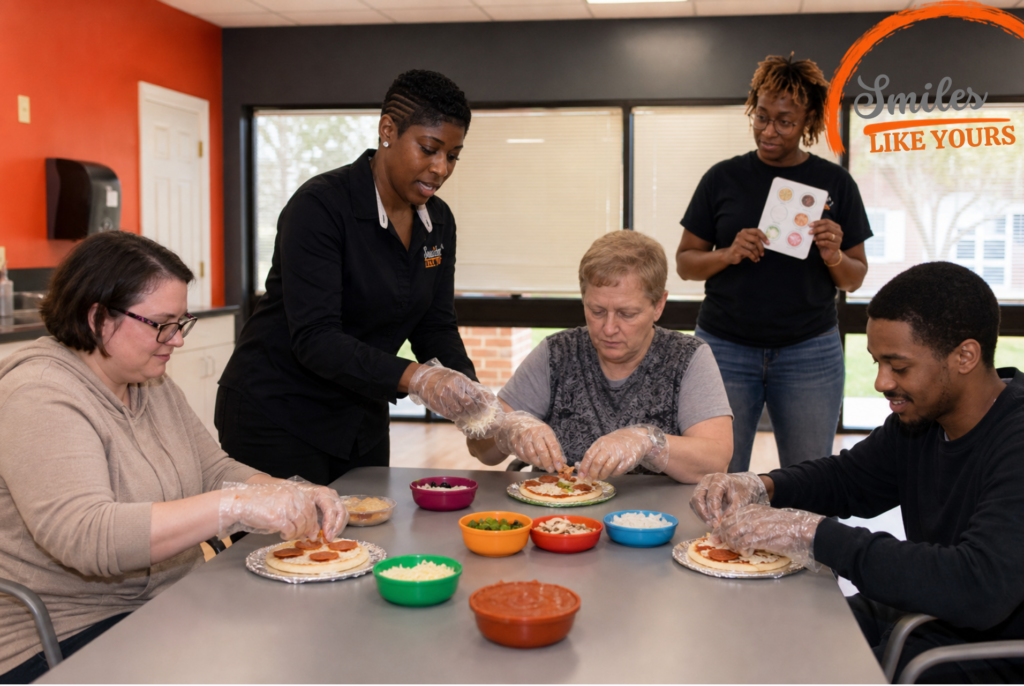
Training matters, but technical knowledge alone does not create excellent support. Families and provider organizations should also look for professional values and everyday behaviors.
Respect
A good DSP speaks directly to the person, respects privacy, avoids infantilizing language, and recognizes that disability does not remove the right to make choices.
Reliability
Consistency builds trust. Arriving prepared, following agreed procedures, documenting accurately, and communicating changes are essential parts of professional support.
Patience Without Low Expectations
People may need more time, a different explanation, or another way to participate. Patience should not become an excuse to exclude someone or assume they cannot learn.
Observation
A DSP often notices subtle changes in communication, mood, health, routines, or comfort. Careful observation helps the team respond early and adjust support appropriately.
Adaptability
Plans can change. Transportation may be delayed, an environment may become overwhelming, or a preferred activity may be unavailable. A capable DSP stays calm, offers alternatives, and continues to include the person in decisions.
Professional Boundaries and Ethics
DSPs build meaningful relationships while maintaining confidentiality, accountability, and appropriate boundaries. The 2026 NADSP Code of Ethics emphasizes person-centered supports, advocacy, justice, integrity, respect, relationships, and self-determination.
Questions Families Can Ask About Direct Support
When visiting a program or evaluating a provider, families can ask:
- How are DSPs trained before working independently?
- How does the organization assess and document competency?
- How are staff matched with each person’s communication style and support needs?
- How do DSPs help participants make everyday choices?
- How are health or behavioral changes communicated?
- How does the program promote community relationships rather than only group outings?
- What happens when a participant does not want to join a planned activity?
- How does the provider protect privacy and confidentiality?
- How are concerns or complaints addressed?
- How does the organization recognize and retain strong DSPs?
Families should pay attention not only to policies but also to interactions. Does the professional listen? Do they offer choices? Do they speak respectfully? Does the person receiving support appear comfortable and included?
How to Become a Direct Support Professional in Virginia
Qualifications vary by employer and service. Many entry-level positions value reliability, communication, patience, a willingness to learn, and a genuine commitment to supporting people with disabilities. Employers may also require a high school diploma or equivalent, a valid driver’s license, background checks, CPR or first aid training, medication-related training, and the ability to meet the responsibilities of a particular position.
Virginia-specific orientation and competency requirements are generally completed through the provider organization and qualified supervisors or trainers. Job candidates should ask how training is provided, which certifications are required, what ongoing professional development is available, and how employees receive coaching and support.
If you are interested in work that combines human connection, practical problem-solving, and community inclusion, explore career opportunities at Smiles Like Yours. Our programs support adults with intellectual and developmental disabilities through social interaction, education, physical activity, community experiences, and individualized services.
Direct Support Professional Recognition Week 2026
Direct Support Professional Recognition Week 2026 takes place September 13–19. The national observance highlights the workforce that makes home- and community-based support possible for people with disabilities.
Recognition can include thank-you messages, participant-led celebrations, staff stories, professional development opportunities, and public education about the DSP role. The most meaningful appreciation, however, continues throughout the year through respectful workplace practices, strong supervision, useful training, listening to staff, and acknowledging the skill required to provide excellent support.
Frequently Asked Questions
Is a direct support professional the same as a caregiver?
The roles can overlap, but they are not always identical. Direct support emphasizes person-centered practice, self-determination, skill-building, community inclusion, and professional competencies in addition to practical assistance.
Where do DSPs work?
DSPs may work in adult day programs, group homes, supported living, private homes, community engagement programs, employment settings, and other disability support services.
Do direct support professionals need training in Virginia?
Yes. DSPs providing specified DD Waiver services are subject to orientation, testing, competency, and documentation requirements established by Virginia regulations and DBHDS guidance. The exact requirements depend on the service and position.
Can a DSP make decisions for the person they support?
A DSP should support the person’s participation in decisions rather than automatically decide for them. They can explain options, provide accessible information, help communicate preferences, and follow the person’s support plan and legal decision-making arrangements.
How can families know whether a DSP is a good fit?
Look for respectful communication, reliability, patience, attention to preferences, appropriate boundaries, and a willingness to help the person grow. The individual’s comfort and feedback should be central to evaluating the relationship.
Direct Support Is About More Than Assistance
A direct support professional can influence whether a person is merely present or truly included, whether choices are offered or overlooked, and whether daily support builds independence or unnecessary dependence.
The best DSPs combine practical skills with respect, curiosity, ethics, and confidence in the person’s potential. They do not take over someone’s life. They help create the conditions in which that person can participate, connect, learn, and direct their own path.
To learn more about programs for adults with intellectual and developmental disabilities in Central Virginia, explore Smiles Like Yours services or schedule a tour and begin the referral process.