Meaningful activities do not have to be loud, complicated, or expensive. For many adults with developmental disabilities, the best experiences are predictable, flexible, and matched to the person’s sensory preferences. The right activity can create a sense of calm, improve focus, build confidence, and make it easier to connect with others.
This guide shares practical sensory-friendly activities for adults with developmental disabilities that families, caregivers, and support teams can adapt at home, in an adult day support program, or out in the community. The goal is not to eliminate every sound, texture, or movement. It is to create choices, reduce unnecessary stress, and help each person participate in a way that feels safe and enjoyable.
What Makes an Activity Sensory-Friendly?
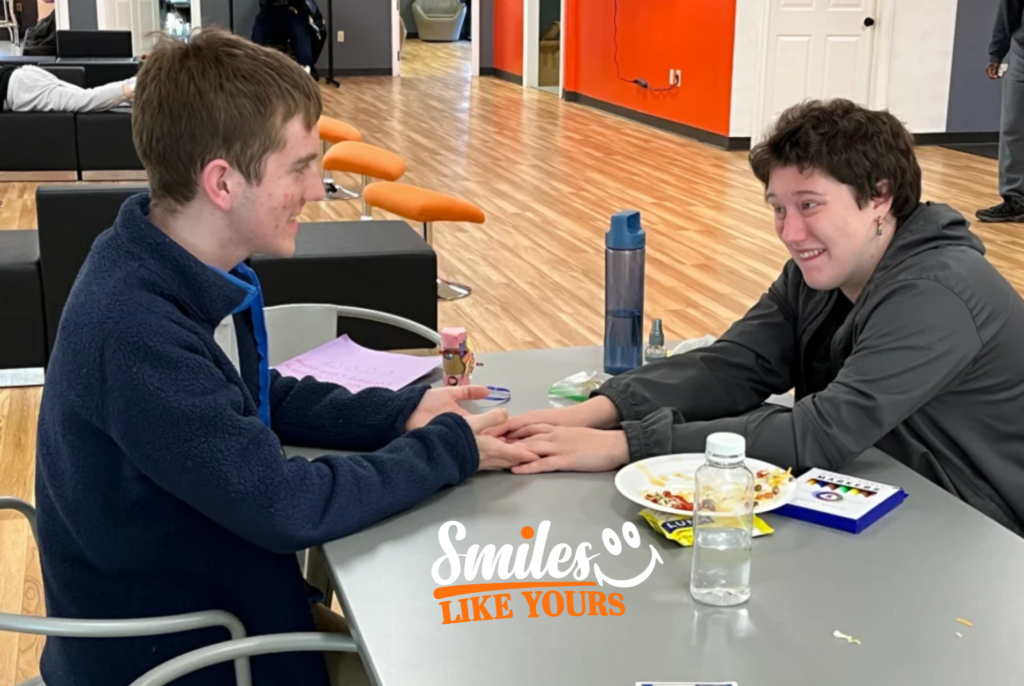
A sensory-friendly activity considers how a person experiences sound, light, touch, movement, smell, taste, and body awareness. Some people may be highly sensitive to certain sensations, while others may actively seek strong sensory input. Preferences can also change from day to day.
Offer Choice and Predictability
Explain what will happen before the activity begins. A short visual schedule, a demonstration, or a simple “first, then” statement can reduce uncertainty. Whenever possible, offer two clear choices, such as painting or working with clay, and let the person decide whether to watch, try, pause, or stop.
Adjust the Environment
Small changes can make participation easier. Lower harsh lighting, reduce background noise, limit strong scents, provide comfortable seating, and keep the number of materials manageable. Headphones, sunglasses, fidgets, weighted lap pads, or quiet breaks may help when they are already part of the person’s support plan.
Follow the Person’s Pace
There is no single “correct” level of participation. Someone may engage for five minutes, complete only one step, or prefer to observe before joining. A sensory-friendly approach values comfort, autonomy, and positive engagement over finishing a task.
10 Simple Sensory-Friendly Activities for Adults
1. Create a Calm Sensory Tray
Fill a shallow tray with a few safe, familiar items that invite touch and exploration. Options may include smooth stones, large wooden beads, fabric squares, soft brushes, pom-poms, or kinetic sand. Avoid small pieces when choking is a concern, and check for allergies or skin sensitivities.
Try offering one texture at a time. Tongs, scoops, or cups can give participants another way to explore without touching materials directly.
2. Try Process-Based Arts and Crafts
Art can support creativity without requiring a perfect final product. Use large-handled brushes, dot markers, stamps, collage materials, or air-dry clay. Let participants choose colors and tools, and keep a sample nearby only as an option—not a requirement.
For more ideas, explore our guide to arts and crafts for adults with developmental disabilities.
3. Use Music With Control Built In
Create a short playlist of familiar songs and keep the volume low at first. Offer headphones, a speaker at a comfortable distance, or the choice to participate without music. Simple rhythm activities—tapping a drum, shaking a maraca, clapping, or moving a scarf—can encourage attention and shared enjoyment.
Pause between songs and ask whether the person wants “more,” “different,” or “finished.” This turns music into an opportunity for choice and communication.
4. Add Gentle Movement
Slow stretching, chair yoga, resistance bands, balloon volleyball, or a short walk can provide organizing movement and body-awareness input. Demonstrate one movement at a time and adapt it for seated or standing participation.
The CDC’s guidance on physical activity for people with disabilities emphasizes choosing activities that match a person’s abilities and interests. When health or mobility needs are complex, ask a qualified healthcare or therapy professional for individualized guidance.
5. Explore Nature at a Comfortable Pace
A quiet garden, shaded patio, or uncrowded park can provide gentle sights, sounds, smells, and movement. Try watering plants, collecting leaves, birdwatching, or taking a brief walk along a familiar route.
Plan for comfort by checking the weather, identifying a quiet place to rest, and bringing water, sun protection, or headphones. Smiles Like Yours also offers community engagement opportunities designed around meaningful participation and individual goals.
6. Prepare a Simple Snack
Cooking combines touch, smell, taste, sequencing, and everyday life skills. Choose a familiar recipe with a few steps, such as assembling a fruit cup, spreading a topping on crackers, mixing a smoothie, or decorating a pre-baked item.
Participants can select ingredients, measure, stir, pour, or simply observe. Use adaptive utensils when helpful, and avoid strong smells or unexpected textures if they are uncomfortable. Our article on a cooking class in an adult social club shares more ways cooking can build skills and connection.
7. Sort, Match, and Organize
Sorting activities can feel grounding because they are structured and have a clear beginning and end. Sort cards by color, match socks, organize craft supplies, group coins, arrange picture cards, or place objects into labeled containers.
Adjust the challenge by changing the number of categories, the size of the objects, or the amount of time. Use real-life materials when the activity can reinforce an everyday routine.
8. Offer Puzzles, Reading, or Listening Choices
Choose large-piece puzzles, word searches, photo books, audiobooks, magazines, or short read-aloud stories based on the person’s interests. A quiet workspace and limited visual clutter can make it easier to focus.
Do not assume reading level from spoken language or disability. Offer age-respectful materials and multiple ways to participate, including listening, pointing, matching pictures, or discussing a favorite topic.
9. Build a Personalized Calm Corner
A calm corner is a low-demand space for regulation, not a punishment. It might include a comfortable chair, soft lighting, a visual timer, a few preferred sensory tools, and a card that communicates “break.” Keep the area available before, during, and after activities.
Ask the person what belongs in the space. Some people relax with quiet; others prefer soft music, rocking, firm pressure, or a familiar object. The National Center on Health, Physical Activity and Disability offers additional inclusive wellness resources for people with disabilities.
10. Plan Low-Stimulation Community Outings
Community participation can be sensory-friendly with thoughtful timing and preparation. Visit a library during a quiet hour, choose a small museum, take a drive along a familiar route, shop from a short list, or eat at a restaurant before the lunch rush.
Preview the location when possible. Share photos, identify exits and restrooms, bring preferred supports, and keep the first visit short. A successful outing is one that respects the person’s signals and leaves room to try again another day.
How to Choose the Right Activity
Start With Interests, Not Assumptions

Ask what the person enjoys and observe what naturally holds their attention. Favorite topics, routines, music, foods, colors, or places are useful starting points. Adult activities should always be age-respectful, even when instructions or materials are simplified.
Change One Sensory Variable at a Time
If an activity is uncomfortable, adjust one element—such as volume, lighting, texture, group size, or duration—before abandoning the idea. This makes it easier to identify what helps.
Use a Simple Support Plan
- Before: explain the activity, show the materials, and offer choices.
- During: watch for signs of comfort or stress and allow breaks.
- After: ask what the person liked, disliked, or would change.
Documenting preferences helps families and support teams create more consistent experiences across settings.
Recognize Signs That a Break May Be Needed
Changes in breathing, posture, movement, communication, facial expression, or behavior may signal discomfort. Respond early by reducing demands, offering a familiar regulation strategy, or moving to a quieter space. Never force exposure to a distressing sensation. If sensory needs regularly interfere with daily life, an occupational therapist or other qualified professional can help develop individualized strategies.
A Simple Sensory-Friendly Activity Routine
A predictable routine can help adults know what to expect while still preserving choice. One flexible 45-minute session might look like this:
- 5 minutes: welcome, visual schedule, and choice of activity.
- 10 minutes: calming or organizing input, such as gentle movement or a sensory tray.
- 20 minutes: the main activity, broken into short, manageable steps.
- 5 minutes: quiet break or preferred sensory support.
- 5 minutes: cleanup, reflection, and preview of what comes next.
Keep the routine flexible. On some days, a shorter session or a different activity may be the most supportive choice.
Why Sensory-Friendly Engagement Matters
Well-matched activities can do more than pass the time. They can strengthen communication, support emotional regulation, encourage movement, build daily living skills, and create genuine opportunities for connection. Just as importantly, they allow adults with developmental disabilities to make choices and experience success on their own terms.
The most effective activity is not necessarily the most elaborate one. It is the one that feels meaningful, respects the person’s needs, and can be adapted as those needs change.
Frequently Asked Questions
What are sensory-friendly activities for adults with developmental disabilities?
They are activities intentionally adapted to reduce unnecessary sensory stress and support comfortable participation. Adaptations may include softer lighting, lower noise, fewer materials, predictable steps, flexible timing, and access to breaks or preferred sensory tools.
How do I know whether an activity is calming or overstimulating?
Watch the individual’s communication and behavior before, during, and after the activity. Relaxed posture, sustained interest, and voluntary participation may suggest comfort. Withdrawal, agitation, covering ears, rapid movement, or attempts to leave may indicate that the environment or activity needs to change.
Do sensory-friendly activities need special equipment?
No. Many effective activities use everyday items such as fabric, music, art supplies, kitchen tools, books, plants, or household objects. The way the activity is introduced and adapted often matters more than the equipment.
Can sensory-friendly activities be done in groups?
Yes. Keep groups small when possible, explain the routine, offer individual choices, and provide enough space for participants to step away. Group activities work best when people can engage at different levels without pressure.
How often should sensory activities be offered?
There is no universal schedule. Some people benefit from short sensory-friendly activities throughout the day, while others prefer one planned session. Follow the person’s preferences and support plan, and adjust based on how they respond.
Create More Meaningful Days With Smiles Like Yours
At Smiles Like Yours, adults with developmental disabilities can build friendships, practice life skills, explore interests, and participate in the community with compassionate support. Our team creates structured, welcoming experiences while honoring each person’s strengths, preferences, and goals.
Schedule a tour or ask a question today to learn how our Adult Day Support and Community Engagement programs can help create calm, connected, and meaningful days.