Families researching daytime services for an adult with a developmental disability may encounter the term day habilitation. It can sound clinical or unfamiliar, and it is easy to assume that every program using this label offers the same activities, staffing, funding, or outcomes.
In practice, day habilitation generally describes nonresidential daytime support that helps a person build or maintain practical skills, strengthen social connections, make choices, and participate more fully in community life. The exact definition and official service name vary by state, funding source, and provider.
Virginia families should understand an important distinction: the Commonwealth’s Developmental Disability Waiver system uses service names such as Group Day Services, Community Engagement, and Community Coaching. A provider may use a more familiar public-facing program name, but the authorized service, Individual Support Plan, setting, goals, and funding requirements still matter.
This guide explains what day habilitation means, how it relates to adult day support in Virginia, what meaningful services should accomplish, and what families should ask before choosing a program.
What Is Day Habilitation?
Day habilitation is a broad term for structured daytime services that support adults with developmental or intellectual disabilities outside a residential setting. Unlike rehabilitation, which often focuses on recovering a skill after an illness or injury, habilitation commonly focuses on gaining, maintaining, or strengthening skills that support everyday life.
Depending on the person’s goals and the applicable service definition, a day habilitation program may support:
- Communication and self-advocacy
- Making choices and expressing preferences
- Personal care and daily routines
- Meal preparation and household skills
- Money use, shopping, and community safety
- Social interaction and relationship-building
- Health, movement, and wellness routines
- Creative expression and recreation
- Volunteering and community participation
- Preparing for employment or continued learning
A meaningful program does more than fill time. Activities should connect to the individual’s preferences, assessed needs, desired outcomes, and person-centered plan.
Is Day Habilitation an Official Virginia DD Waiver Service?
Day habilitation is not the primary service name used in Virginia’s current DD Waiver materials. Virginia lists employment and day options that include Group Day Services, Community Engagement, Community Coaching, Workplace Assistance, and supported employment.
The official Virginia DD Waiver services overview explains that Group Day includes skill-building and support activities that help a person gain or maintain social, self-help, and other skills related to independence and community integration. It may occur in a center and in the community.
Virginia describes Community Engagement differently. It uses the community as a learning environment and focuses on relationships, natural supports, participation, and greater independence. Community Coaching may provide more individualized support when a person needs focused help overcoming barriers to community participation.
This terminology matters because two programs may appear similar on a calendar while operating under different service definitions. Families should ask the provider and the person’s Support Coordinator which authorized service is being discussed and how it connects to the Individual Support Plan.
Day Habilitation, Adult Day Care, Group Day, and Community Engagement
These terms are sometimes used interchangeably in everyday conversation, but they should not automatically be treated as identical.
| Term | How It Is Commonly Used | What Virginia Families Should Confirm |
|---|---|---|
| Day habilitation | A broad term for daytime skill-building, social participation, and support for people with disabilities | The official waiver or private-pay service, setting, goals, staffing, and authorization |
| Adult day care | A broad public term that may refer to programs for older adults, adults with health needs, or adults with disabilities | Whether the program is designed and licensed for adults with developmental disabilities |
| Group Day Services | A Virginia DD Waiver employment and day service involving skill-building and support in group settings | Plan outcomes, staffing tier, schedule, setting, transportation, and service authorization |
| Community Engagement | A Virginia service using integrated community settings for learning, participation, relationships, and natural supports | How activities are individualized and connected to meaningful community outcomes |
The name on a website is only a starting point. Families should compare the actual service model, the individual’s experience, and the outcomes being supported.
What Should a Day Habilitation Program Accomplish?
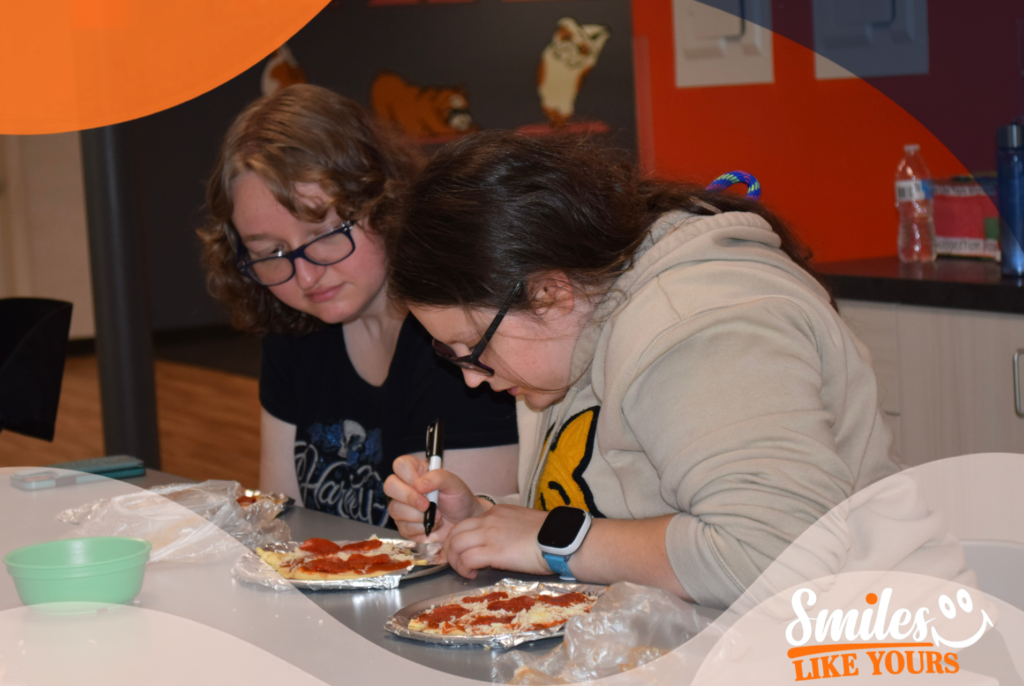
The strongest programs are built around the person rather than a fixed activity calendar. A cooking session, for example, can support communication, sequencing, safety, choice, teamwork, nutrition, and greater independence. A community outing can support navigation, budgeting, self-advocacy, social interaction, and confidence in unfamiliar environments.
Meaningful outcomes may include:
- Communicating a preference with less prompting
- Following a visual or written routine
- Preparing part of a meal more independently
- Starting or maintaining a conversation
- Using money during a supported purchase
- Recognizing when and how to ask for help
- Participating in a preferred wellness activity
- Taking on a consistent volunteer responsibility
- Building relationships with peers and community members
- Becoming more comfortable making everyday decisions
Attendance is not an outcome by itself. Families should be able to understand why activities were selected, what support was provided, and how participation connects to the person’s goals.
What Can a Typical Day Look Like?
There is no single ideal schedule. Some adults appreciate a predictable routine and familiar environment. Others prefer changing destinations and frequent community experiences. Many benefit from a thoughtful balance.
A day may include:
- A welcome conversation and review of choices for the day
- A creative, educational, or skill-building activity
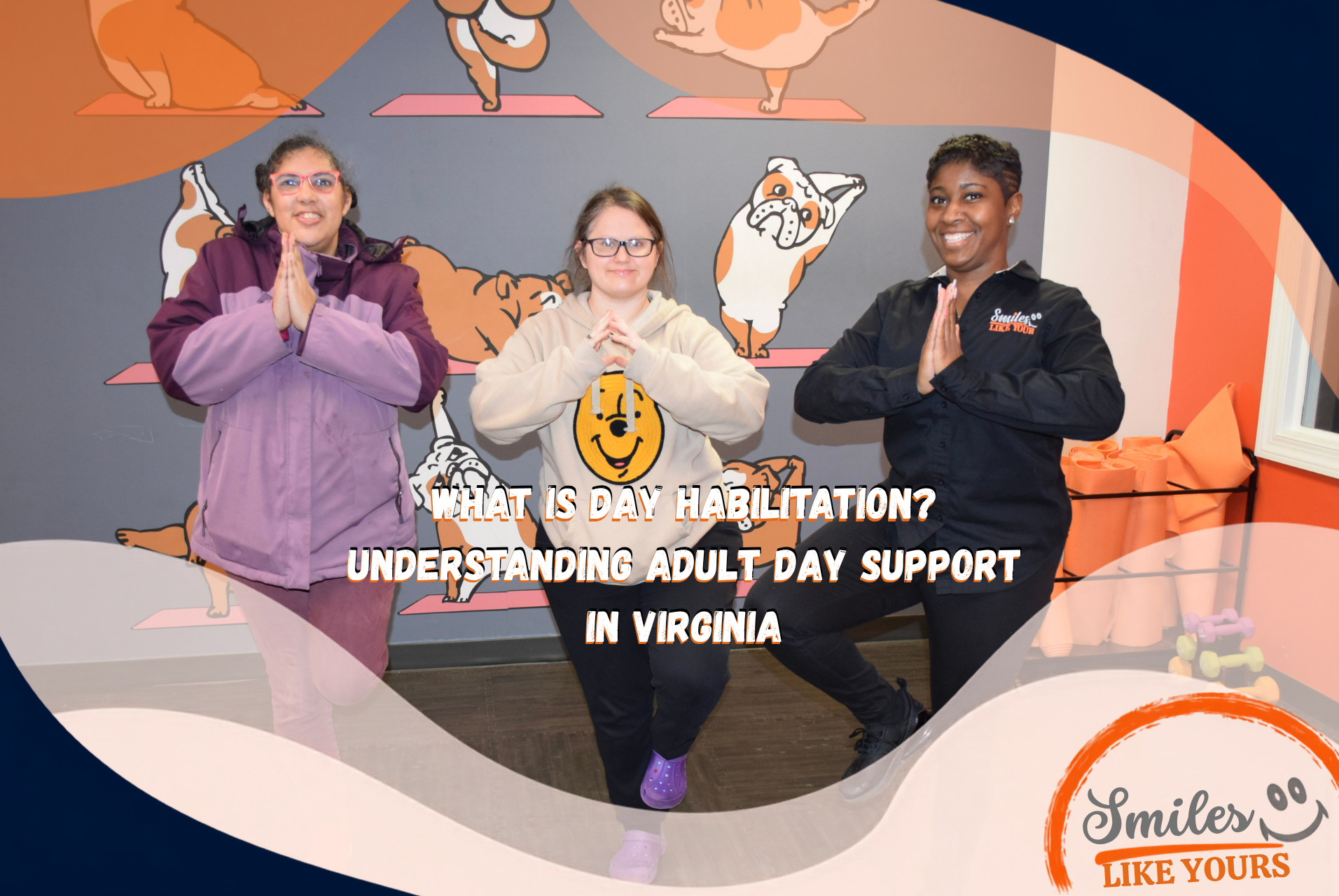
- Movement, yoga, recreation, or another wellness option
- Meal preparation, lunch, and cleanup routines
- Practice with communication, budgeting, or community safety
- A visit to a park, library, store, museum, or local event
- A volunteer or community participation opportunity
- Time for sensory regulation, quiet breaks, or individual support
- A closing review of what the person enjoyed and wants to try next
Quality depends less on how busy the schedule looks and more on whether the person has genuine choice, appropriate support, meaningful participation, and opportunities to grow.
Who May Benefit From Day Habilitation or Adult Day Support?
An adult may benefit from structured daytime services when they want or need opportunities for social connection, practical skill development, community participation, continued learning, or a consistent weekly routine.
It may be worth exploring when the person:
- Has finished school and wants a meaningful daytime routine
- Wants to build friendships and participate in group activities
- Benefits from repetition, visual supports, or guided practice
- Wants to strengthen communication or daily living skills
- Would like more opportunities to explore the community
- Needs support with transitions, safety, or unfamiliar environments
- Wants to discover new hobbies, volunteer roles, or future goals
- Prefers a combination of familiar routines and community experiences
A diagnosis alone does not determine the right program. The decision should consider the adult’s interests, communication style, sensory preferences, mobility, health needs, desired schedule, transportation, support level, and long-term goals.
How to Recognize a Person-Centered Program
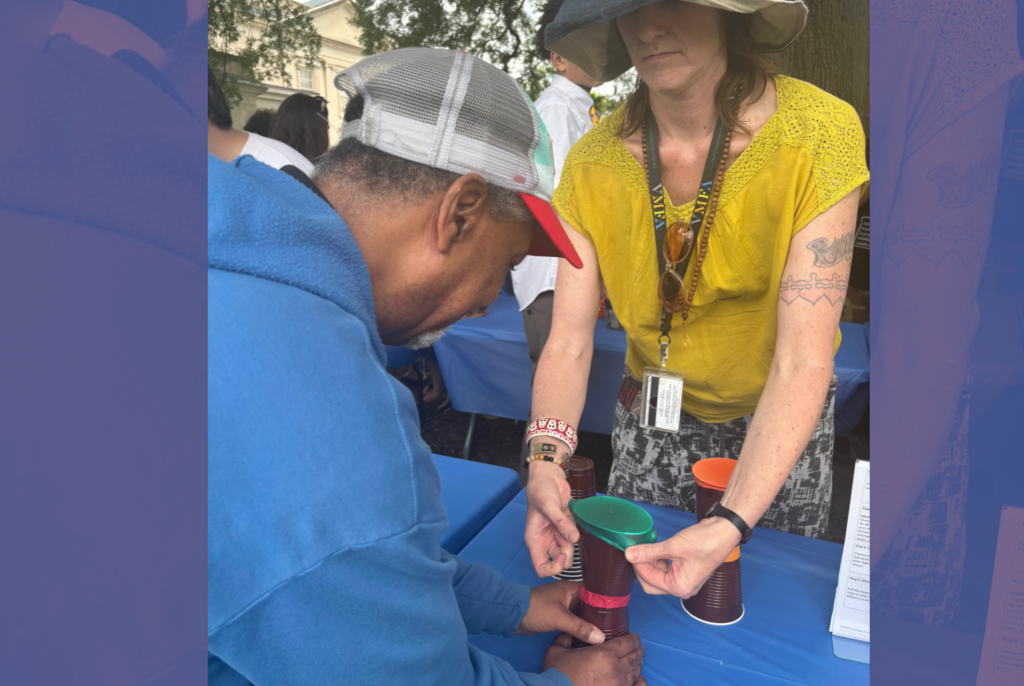
A person-centered day program should make choice visible throughout the day. Staff should know the participant as an individual and understand how they communicate agreement, discomfort, interest, fatigue, and a desire for change.
Look for a program that:
- Includes the adult in planning and decisions
- Offers meaningful choices rather than token options
- Adapts communication and activities to the person
- Respects requests for breaks or different activities
- Connects activities to documented goals
- Supports dignity, privacy, and age-appropriate experiences
- Promotes relationships beyond paid staff
- Uses the least restrictive support necessary
- Communicates clearly with the individual, family, and support team
- Measures progress in ways that matter to the participant
Virginia’s Home and Community-Based Services requirements emphasize dignity, autonomy, choice, community access, and freedom from unnecessary restriction. These principles should be evident in both center-based and community-based services.
Questions Families Should Ask Before Choosing a Program
Bring these questions to a tour or planning conversation:
- Which official service or funding arrangement does this program use?
- What does a typical day and week look like?
- How are activities selected with the participant?
- How do activities connect to the person’s Individual Support Plan?
- How much time is spent at the center and in the community?
- What communication, sensory, mobility, behavioral, and health supports are available?
- How are medications and health-related routines handled?
- What staff training and supervision are required?
- How are transportation routes and travel times managed?
- Can a participant decline an activity or request a different option?
- How does the program support friendships and natural relationships?
- How is progress documented and shared?
- Which waiver, private-pay, referral, assessment, and authorization steps apply?
- Is there currently an opening or provider-level waitlist?
- Can the adult visit, observe, or try the program before making a decision?
Whenever possible, ask the prospective participant what felt welcoming, what felt uncomfortable, which activities seemed interesting, and what they would want their own day to include.
Does a Virginia DD Waiver Pay for Day Services?
Virginia’s Building Independence, Family and Individual Supports, and Community Living waivers include various employment and day service options. However, having a DD Waiver does not automatically authorize every service.
The person’s eligibility, assessed needs, waiver, Individual Support Plan, chosen provider, service authorization, schedule, and applicable limits must all be considered. Some providers may also offer private-pay arrangements, but availability and pricing should be confirmed directly.
The person’s Support Coordinator can explain which service definitions and referral steps apply. Families who need a broader introduction can read the Smiles Like Yours Virginia DD Waiver Guide.
How Smiles Like Yours Approaches Meaningful Daytime Support
Smiles Like Yours provides Adult Day Support and Community Engagement for adults with developmental disabilities in Richmond and surrounding Central Virginia communities.
SLY’s Adult Day Support combines a welcoming social environment with structured skill-building activities, friendships, recreation, and planned community experiences. The current program information lists Adult Day Support Monday through Friday, from 7:00 AM to 4:00 PM, year-round.
SLY’s Community Engagement places greater emphasis on being out in the community, including local destinations, events, volunteering, relationship-building, and real-world opportunities for independence. The current SLY services page lists Community Engagement seven days a week, from 8:00 AM to 4:00 PM, year-round.
Schedules, locations, transportation, eligibility, authorization, funding, openings, and individual fit should always be confirmed directly. Families can also read the SLY comparison of Adult Day Support vs. Community Engagement in Virginia or use the family checklist for choosing a day program.
Frequently Asked Questions
Is day habilitation the same as adult day care?
Not necessarily. Adult day care is a broad term that may describe different populations and service models. Day habilitation generally emphasizes skills, participation, and support for people with disabilities. Families should confirm the program’s population, license, service definition, staffing, and funding.
Is day habilitation the same as Group Day Services in Virginia?
The terms may describe similar ideas, but they should not automatically be treated as legally or administratively identical. Group Day Services is a specific Virginia DD Waiver service. Ask the provider and Support Coordinator which authorized service applies.
Does day habilitation include community outings?
It can. Virginia’s Group Day service may occur in a center and the community. The amount and purpose of community participation should connect to the person’s plan and the applicable service requirements.
Is Community Engagement a day habilitation program?
Community Engagement is a distinct Virginia service that uses integrated community settings as the learning environment. It should focus on individualized participation, relationships, natural supports, skill-building, and independence rather than a center-based routine.
How do we know which option is right?
Begin with the adult’s goals, preferred routine, interests, support needs, communication, sensory preferences, and desired level of community participation. Tour programs, compare actual service definitions, ask detailed questions, and involve the person’s Support Coordinator before making a decision.
Choose a Program That Creates a Meaningful Day
Day habilitation should never mean simply having somewhere to go. The right program creates opportunities to make choices, practice useful skills, build relationships, experience the community, and develop a stronger sense of confidence and belonging.
For Virginia families, the most important step is to look beyond the label. Confirm whether the service is Group Day, Community Engagement, another authorized option, or private pay. Then evaluate whether the experience reflects the adult’s real goals and preferences.
If your family is exploring Adult Day Support or Community Engagement in Central Virginia, schedule a tour with Smiles Like Yours. Meet the team, explore the environment, and discuss what a meaningful day could look like for your loved one.
This article provides general educational information and is not legal, medical, financial, eligibility, funding, authorization, or case-specific advice. Terminology, waiver policies, service definitions, schedules, transportation, locations, and program availability may change. Confirm current information with Virginia Medicaid, DBHDS, the individual’s Support Coordinator, and Smiles Like Yours.