Meaningful activities for adults with developmental disabilities can do more than fill the day. They can help build confidence, strengthen independence, encourage friendships, and create a deeper sense of connection with the community.
For families and caregivers, finding the right activities is often about helping a loved one experience more joy, purpose, and growth in everyday life. Whether through creative workshops, life skills practice, social activities, community outings, or structured day programs, meaningful activities can help adults with developmental disabilities feel seen, supported, and included.
At Smiles Like Yours, we believe that every activity should have a purpose: helping each person build skills, confidence, relationships, and meaningful daily experiences.
Why Meaningful Activities for Adults with Developmental Disabilities Matter
Meaningful activities are important because they give adults with developmental disabilities opportunities to participate, learn, connect, and express themselves. These activities should be adapted to each person’s interests, abilities, comfort level, and goals.
Developmental disabilities can affect areas such as physical development, learning, language, or behavior, and support needs may continue throughout a person’s life. That is why accessible and person-centered activities can be so valuable for daily growth.
Meaningful activities may help individuals:
- Develop new skills
- Build self-esteem
- Practice communication
- Increase social interaction
- Explore personal interests
- Improve emotional well-being
- Participate more fully in the community
The best activities are not random. They are chosen with intention and connected to the individual’s goals, preferences, and strengths.
Building Confidence Through Creative and Social Activities
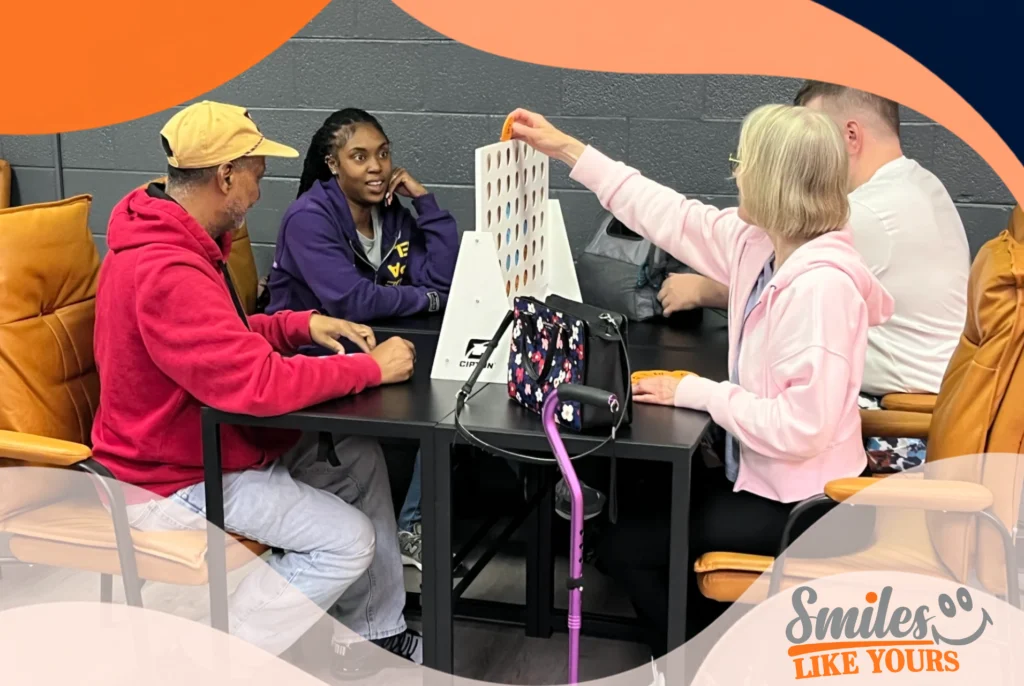
Confidence often grows through small moments of success. For adults with developmental disabilities, activities like painting, music, storytelling, games, movement, and group projects can create opportunities to try something new and feel proud of progress.
Creative and social activities may help individuals:
- Complete a project
- Share ideas with others
- Practice decision-making
- Express emotions
- Receive encouragement
- Celebrate accomplishments
- Build comfort in group settings
A person may begin by simply participating quietly. Over time, they may start sharing more, joining conversations, helping others, or trying new challenges. These moments matter because confidence is built step by step.
Promoting Independence Through Life Skills Activities
Independence does not mean doing everything alone. For many adults with developmental disabilities, independence means having the right support to make choices, practice routines, and complete daily tasks with greater confidence.
Life skills activities can include:
- Preparing simple meals
- Practicing personal organization
- Learning basic budgeting
- Following daily routines
- Practicing self-care
- Understanding safety
- Using technology
- Making choices
- Helping with household tasks
These activities are especially helpful when they are practiced in real-life settings. For example, cooking a simple meal can support planning, motor skills, safety awareness, communication, and responsibility.
The CDC notes that regular physical activity and healthy routines can support independence, daily living, and mental health for adults with disabilities.
Fostering Social Connections and Reducing Isolation
Social connection is a major part of well-being. Adults with developmental disabilities may sometimes experience isolation when they do not have regular opportunities to meet people, build friendships, or participate in community life.
Meaningful activities for adults with developmental disabilities can help create those opportunities in natural and supportive ways.
Examples include:
- Group games
- Community lunches
- Art classes
- Music activities
- Club-style gatherings
- Group outings
- Volunteer-style activities
- Peer conversations
- Team projects
The Arc supports the full inclusion and participation of people with intellectual and developmental disabilities in the community, which closely aligns with the purpose of meaningful social activities.
When adults have regular chances to connect with others, they can build stronger relationships, improve social confidence, and feel a greater sense of belonging.
Day Programs for Adults with Developmental Disabilities
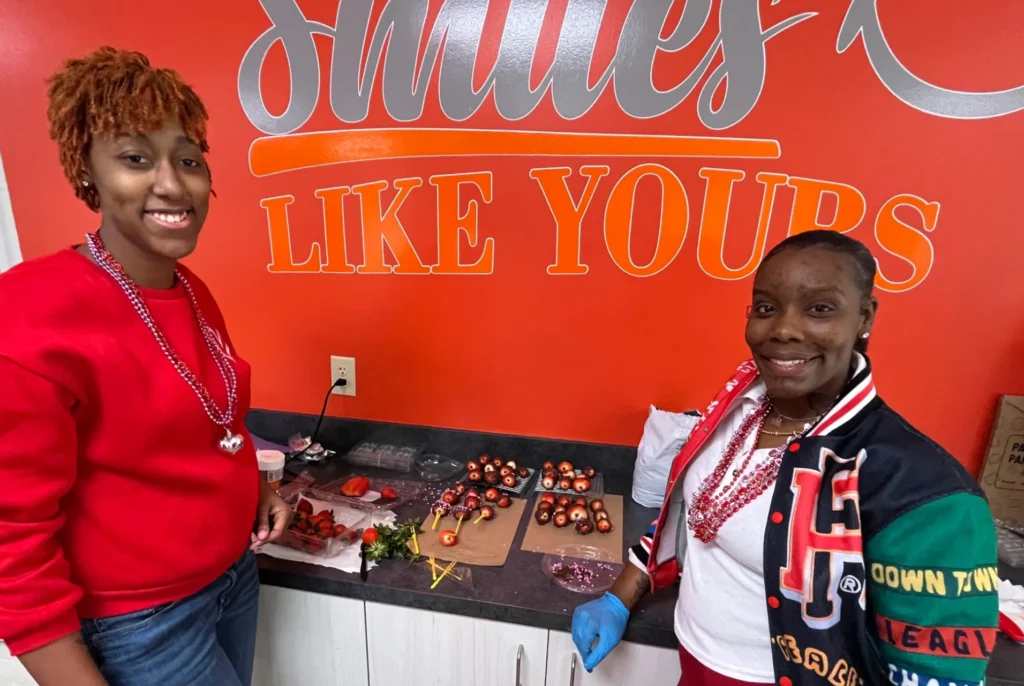
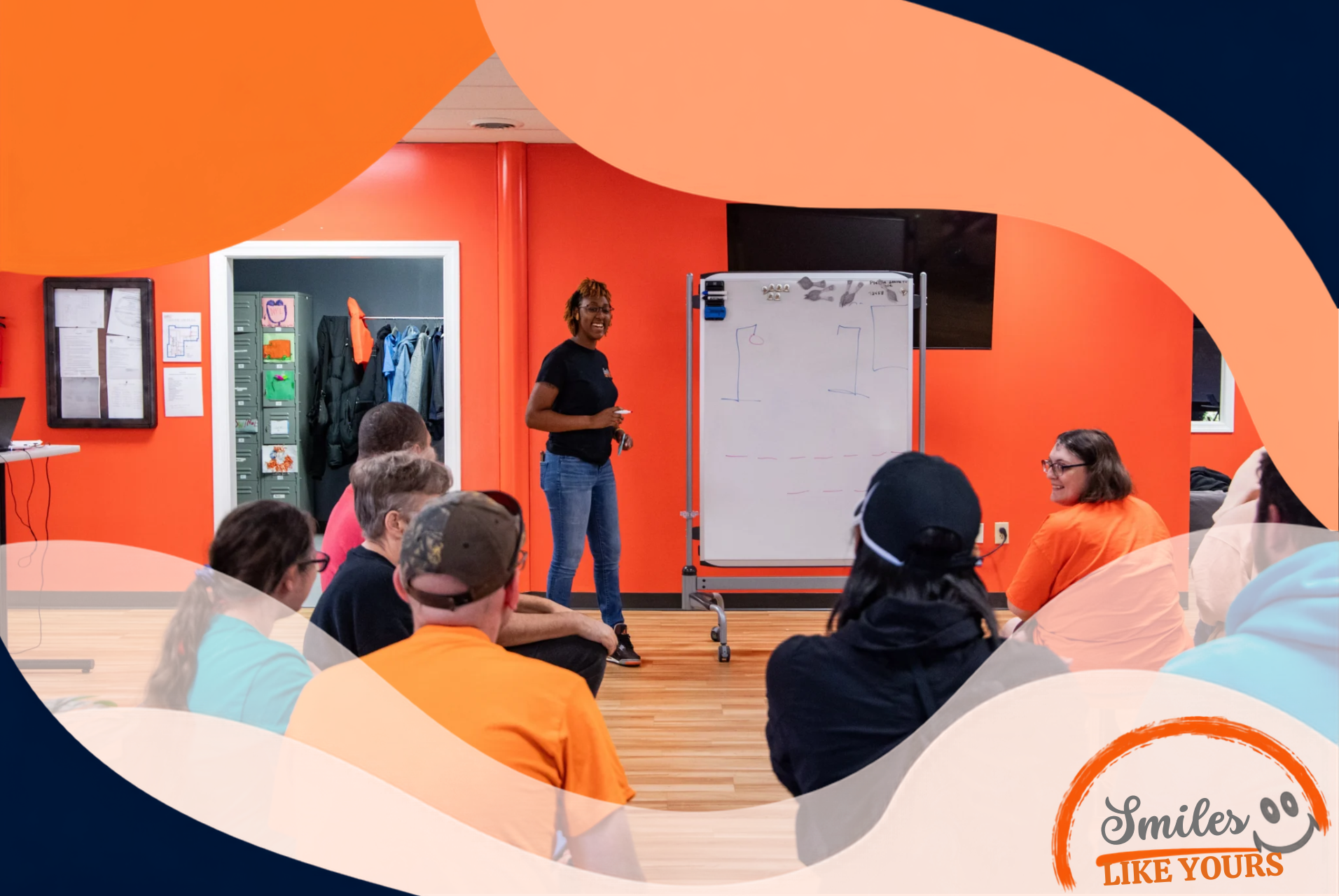
Day programs for adults with developmental disabilities can provide structure, support, and meaningful opportunities during the day. These programs often combine social activities, recreation, skill-building, creative expression, and community engagement.
A strong day program may include:
- Personalized activity planning
- Social opportunities
- Life skills support
- Creative workshops
- Community outings
- Group participation
- Support from trained staff
- A safe and welcoming environment
In Virginia, DBHDS states that individuals with developmental disabilities should have access to quality support and services when and where they need them.
Types of Meaningful Activities to Consider
There is no single activity that works for everyone. The most effective activities are personalized and flexible. They should match the individual’s interests, support needs, energy level, communication style, and personal goals.
Recreational Activities
Recreational activities can help adults relax, have fun, and enjoy time with others. These may include:
- Arts and crafts
- Music
- Dancing
- Board games
- Outdoor games
- Fitness activities
- Gardening
- Movie days
- Sports and movement
Recreation gives individuals a chance to enjoy themselves while also building confidence, communication, and social connection.
Skill-Building Activities
Skill-building activities focus on practical abilities that support everyday life. These may include:
- Cooking
- Cleaning
- Budgeting
- Time management
- Computer skills
- Personal care routines
- Communication practice
- Problem-solving
- Decision-making
These activities can help adults feel more capable and prepared for everyday situations.
Community Integration Activities
Community integration activities help individuals participate more fully in the world around them. These may include:
- Visiting parks
- Going to libraries
- Attending local events
- Exploring museums
- Taking group walks
- Going out for lunch
- Volunteering
- Visiting local businesses
- Participating in community celebrations
Community participation is a key part of independence and belonging. The Administration for Community Living supports opportunities for people with disabilities to access community services and experience inclusion in all areas of community life.
The Role of Caregivers in Meaningful Activities
Caregivers play an important role in helping adults with developmental disabilities participate in meaningful activities. Their support can help individuals feel safe, encouraged, and prepared to try new experiences.
Caregivers can support participation by:
- Offering choices
- Encouraging small steps
- Adapting activities when needed
- Celebrating progress
- Creating predictable routines
- Supporting communication
- Helping reduce anxiety
- Encouraging social interaction
The goal is not to force participation. The goal is to create opportunities where each person feels respected, supported, and included.
Training and Support for Caregivers
Caregivers also need support. Helping an adult with developmental disabilities build confidence, skills, and social connection can be rewarding, but it can also require planning, patience, and guidance.
Helpful resources for caregivers may include:
- Workshops
- Support groups
- Provider guidance
- Online resources
- Community programs
- Professional support
- Conversations with other families
A strong support network can help caregivers feel less alone and better prepared to support meaningful activities.
Meaningful Activities in Richmond, VA
For families in Richmond, VA, meaningful activities can help adults with developmental disabilities stay connected to familiar communities, local programs, and supportive routines.
Activities such as group outings, creative workshops, cooking classes, social games, community events, and life skills practice can support confidence while helping each person feel included and valued.
Richmond and surrounding communities offer opportunities for adults to participate in social, recreational, and community-based experiences. With the right support, these activities can become part of a meaningful weekly routine.
How Smiles Like Yours Supports Meaningful Activities
At Smiles Like Yours, meaningful activities are part of everyday support. Through adult day support, adult social club programs, community engagement, life skills activities, and community outings, adults with developmental disabilities can build friendships, practice independence, and enjoy experiences that reflect their interests and goals.
Smiles Like Yours supports adults through programs designed to encourage:
- Confidence
- Independence
- Social connection
- Community participation
- Daily life skills
- Creative expression
- Personal growth
- Joy and belonging
What are meaningful activities for adults with developmental disabilities?
Meaningful activities are activities that support personal growth, confidence, independence, social connection, and community participation. They may include creative projects, life skills practice, recreation, group activities, and community outings.
Why are meaningful activities important?
Meaningful activities help adults with developmental disabilities build skills, connect with others, reduce isolation, improve confidence, and enjoy a stronger sense of purpose and belonging.
What are good activities for adults with developmental disabilities?
Good activities may include art, music, cooking, gardening, games, fitness, community outings, volunteering, social clubs, life skills practice, and creative workshops.
How do day programs support meaningful activities?
Day programs provide structure, support, trained staff, social opportunities, skill-building activities, and community engagement experiences that help adults participate in meaningful daily routines.
How can caregivers encourage participation?
Caregivers can encourage participation by offering choices, adapting activities, celebrating small steps, providing reassurance, and choosing activities that match the person’s interests and comfort level.
Does Smiles Like Yours offer meaningful activities in Richmond, VA?
Yes. Smiles Like Yours supports adults with developmental disabilities through adult day support, adult social club programs, community engagement, community outings, and life skills activities in Richmond and surrounding Virginia communities.
Take the Next Step
Meaningful activities for adults with developmental disabilities can help build confidence, independence, friendship, and community connection. With the right support, everyday experiences can become opportunities for growth, joy, and belonging.
If your family is looking for adult day support, community engagement, social activities, or life skills programs in Richmond, VA, Smiles Like Yours is here to help.
Contact Smiles Like Yours today to learn more about programs that support meaningful activities, community participation, and personal growth for adults with developmental disabilities.