Group home eligibility DD is an important topic for families exploring residential support options for adults with developmental disabilities. Understanding eligibility requirements can feel complex, especially when families are navigating long-term planning, care transitions, and support systems. Clear information helps families make confident, informed decisions.
Group homes provide structured, supportive living environments where adults receive assistance while building independence. Knowing how group home eligibility DD works is the first step toward finding the right living option that balances safety, dignity, and personal growth.
What Group Home Eligibility DD Means
Group home eligibility DD refers to the criteria adults with developmental disabilities must meet to qualify for placement in a group home setting. Eligibility is typically based on a combination of factors, including diagnosis, level of support needed, and available funding sources.
Group homes are designed for individuals who benefit from shared living environments with consistent supervision and support. Eligibility ensures that residents receive appropriate care while maintaining a stable and supportive household dynamic.
Why Understanding Eligibility Is Important
Understanding group home eligibility DD helps families plan proactively rather than reactively. Waiting until a crisis occurs can limit options and increase stress. Early planning allows families to explore placements thoughtfully and align support with long-term goals.
Eligibility guidelines also help ensure that group homes can meet residents’ needs effectively. Matching individuals with the right level of support promotes safety, comfort, and successful living arrangements.
Common Factors That Influence Group Home Eligibility DD
Several factors are typically considered when determining group home eligibility DD. These may include the individual’s functional abilities, daily living needs, behavioral supports, and medical considerations. The goal is to place individuals in environments where they can thrive.
Age requirements, residency status, and participation in state support programs may also play a role. Eligibility criteria are designed to ensure individuals receive appropriate and sustainable care.
The Role of Assessments in Eligibility Decisions
Assessments are a key part of determining group home eligibility DD. These evaluations help identify support needs, strengths, and areas where assistance is required. Assessments ensure placements are safe and appropriate for both the individual and other residents.
Families are often involved in the assessment process, providing valuable insight into routines, preferences, and goals. Collaborative assessments lead to better placement outcomes.
How Group Homes Support Daily Life
Once eligibility is established, group homes offer structured daily support. Group home eligibility DD opens the door to environments where individuals receive help with daily routines, meals, personal care, and social engagement.
Group homes also encourage participation in household responsibilities and community activities. This balance of support and independence helps residents build confidence and life skills.
Community Involvement and Social Engagement
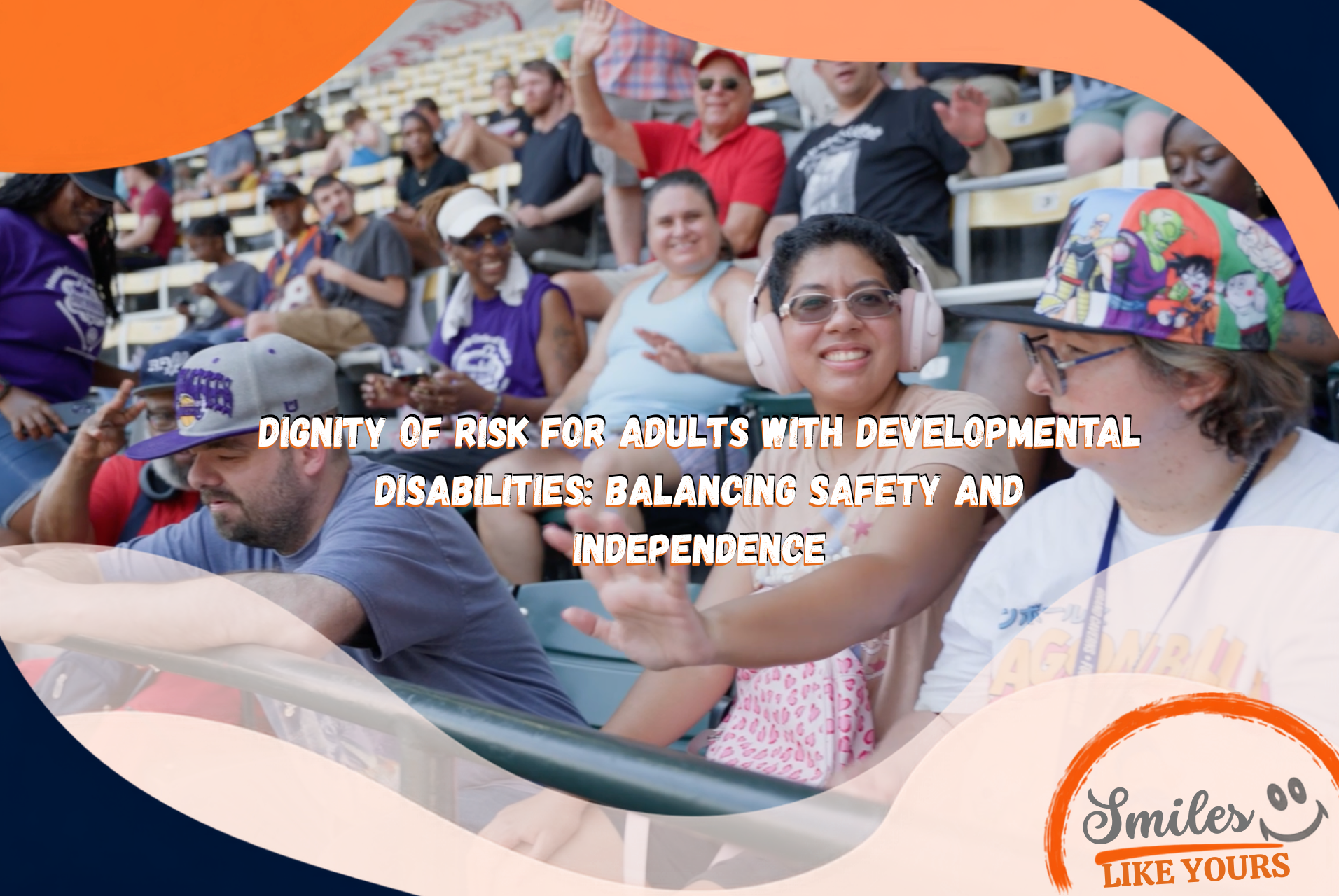
Group homes are not isolated environments. Group home eligibility DD includes access to community-based activities that support social engagement and inclusion. Residents often participate in outings, events, and group activities.
Many individuals enjoy engaging in inclusive community events that promote connection and shared experiences. These activities help residents feel involved beyond their home environment.
Family Involvement in the Eligibility Process
Families play an important role in navigating group home eligibility DD. Open communication with providers helps families understand expectations, timelines, and available options. Family input ensures placements align with personal values and long-term goals.
Families often review available support services to understand how residential care integrates with broader support systems.
Creating the Right Living Match
Eligibility is not just about meeting criteria—it’s about finding the right fit. Group home eligibility DD aims to match individuals with homes that support their personalities, preferences, and needs. A good match promotes comfort, stability, and positive relationships among residents.
Learning about a provider’s philosophy and approach through their mission and values can help families feel confident in placement decisions.
Seeing Group Homes in Action Builds Confidence
Families often feel reassured when they can see how group homes operate day-to-day. Observing routines, interactions, and living environments helps families envision life in a group home setting.
Insight into daily residential life can be found through a program experience gallery, offering transparency and reassurance.
Long-Term Benefits of Group Home Living
Group home eligibility DD opens the door to long-term stability. Adults in group homes often experience improved daily structure, social connection, and emotional well-being. Consistent support helps individuals maintain routines and build independence over time.
According to public health research on developmental disabilities, supportive residential environments contribute positively to quality of life and long-term outcomes.
Exploring Eligibility and Next Steps
Understanding group home eligibility DD empowers families to take the next step with confidence. Early exploration allows families to prepare documentation, complete assessments, and explore placement options without pressure.
Reviewing program locations can help families identify group homes that are accessible and aligned with their expectations.
Moving Forward With Confidence and Support
Group home eligibility DD is about more than qualification—it’s about creating a safe, supportive home where adults with developmental disabilities can thrive. With the right placement, individuals gain stability, connection, and opportunities for growth.
Families ready to explore group home options can connect with the support team to discuss eligibility, assessments, and available placements.