For individuals with developmental disabilities, social connection is a powerful ingredient for a happy and fulfilling life. That’s why event programs developmental disabilities services are such a meaningful part of community support. These programs open the door to joy, belonging, creativity, physical wellness, and lifelong friendships. They give individuals a chance to participate in the community in ways that feel exciting, safe, and empowering.
Many families search for these opportunities because they know how much emotional and social growth happens outside of the daily routine. Event programs combine structured support with freedom of expression, allowing individuals to explore interests, build confidence, and strengthen their sense of identity. Community-focused organizations—like the ones featured throughout the Smiles Like Yours website—use these events to create experiences that truly uplift the people they serve.
Why Event Programs Matter for Developmental Disabilities
Adults and youth with developmental disabilities often face barriers to social participation, whether due to accessibility challenges, transportation needs, or limited community opportunities. Event programs developmental disabilities services are intentionally designed to break down these barriers. They offer safe, supervised environments where individuals can enjoy activities, meet new friends, and practice communication and social skills.
Events also bring variety to daily life. They introduce new experiences, sensory environments, and creative outlets that support emotional well-being. These structured programs help individuals explore interests that might otherwise remain out of reach.
Organizations committed to community inclusion often highlight the value of these activities on their about or services pages, showing families how events fit into a broader support system.
Social Events That Build Confidence and Friendships
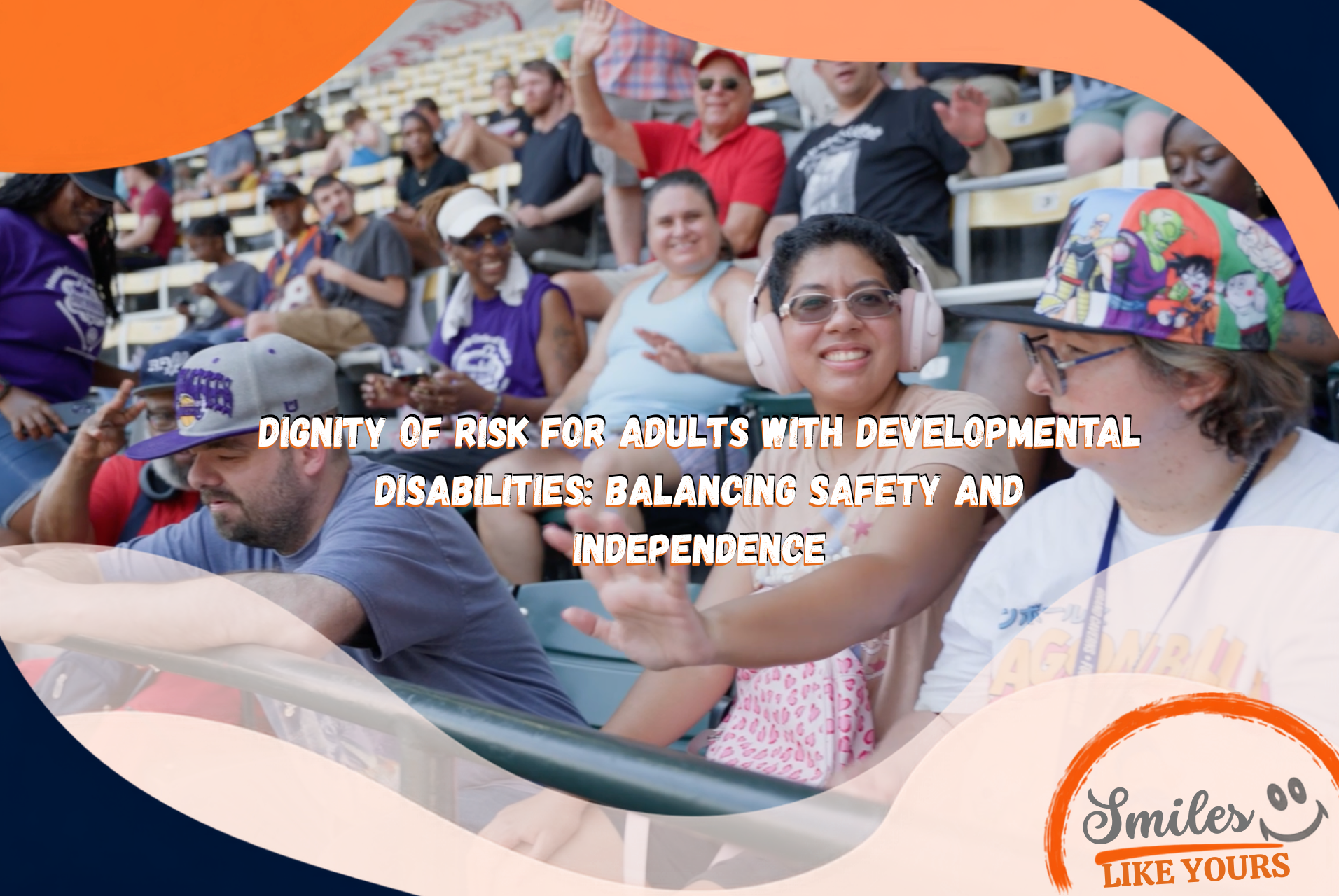
One of the biggest benefits of event programs developmental disabilities initiatives is friendship. People thrive when they feel connected. Social gatherings—like dances, themed parties, group outings, or movie nights—create space for meaningful bonds to form.
These events give participants opportunities to:
• Practice conversation skills
• Share common interests
• Experience teamwork
• Build self-esteem
• Reduce feelings of isolation
Many families enjoy browsing community organizations’ events or gallery pages to see photos and descriptions of past events, which often highlight moments of joy and connection.
Creative Arts Programs That Inspire Expression
Creative expression is a universal human need, and it can be incredibly therapeutic. Many event programs developmental disabilities services include art-based activities such as drawing, painting, music sessions, drama workshops, or dance classes. These events offer sensory-rich environments where individuals can express emotions, explore new skills, and feel proud of what they create.
Programs like sip and paint, themed crafting nights, or collaborative murals help individuals of all abilities participate at their own pace. Creativity encourages emotional release, boosts confidence, and fosters a sense of accomplishment.
Families can often learn more about artistic event offerings through a provider’s blog, where stories and insights about these activities are shared.
Enrichment Events That Support Life Skills and Independence
Some events blend fun with learning. Life skills workshops help participants build independence in areas such as communication, personal safety, budgeting, or household tasks. These skill-based activities bring together practical instruction and social interaction, turning learning into a positive experience.
These types of events are often highlighted on services or about pages, where organizations outline their educational approach and commitment to lifelong development.
Combining life skills with social activities helps individuals stay engaged, motivated, and prepared for daily responsibilities.
Physical Activities That Boost Wellness and Joy
Movement is essential for both physical and emotional health. That’s why many event programs developmental disabilities services include fitness and recreational events. Examples include yoga classes, walking groups, adaptive sports activities, dance sessions, and outdoor adventures.
These events help individuals:
• Improve strength and coordination
• Reduce stress
• Increase body awareness
• Build healthy routines
Families who want to understand how an organization incorporates physical wellness into its programming often turn to the services, locations, or about areas of community-centered websites.
Sensory-Friendly Events for Comfort and Inclusion
Not every event works for every individual. That’s why sensory-friendly events are becoming an essential part of event programs developmental disabilities support. These events are designed to minimize overwhelming stimuli while still providing enjoyable experiences.
Sensory-friendly programs may feature:
• Adjustable lighting
• Quiet zones
• Predictable event flow
• Staff trained in de-escalation and sensory awareness
• Smaller group sizes for comfort
Event listings like these often appear on community organizations’ events pages, helping families choose the safest and most comfortable options for their loved ones.
Community Outings That Expand Horizons
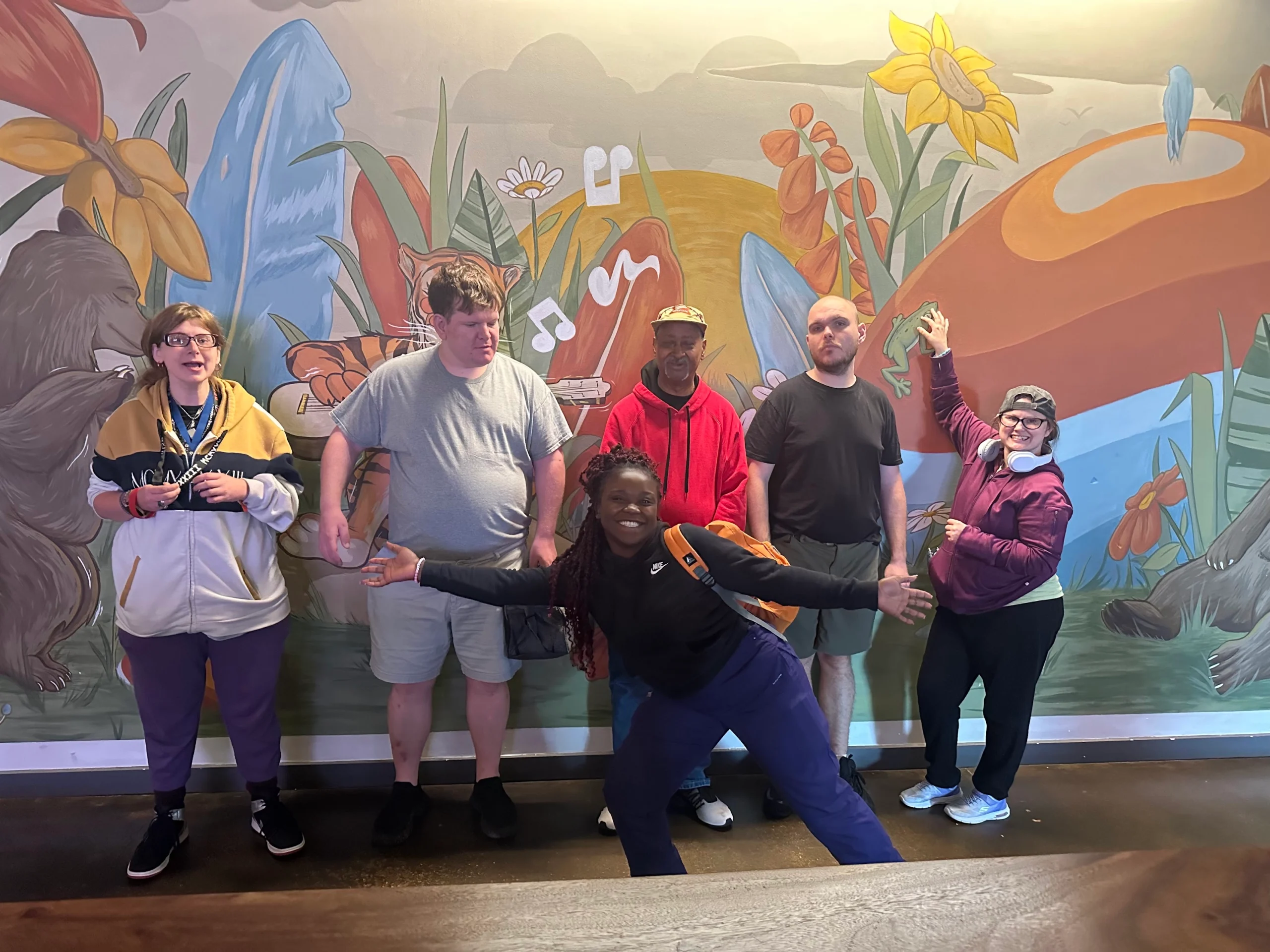
Community outings are powerful tools for inclusion. Trips to parks, museums, festivals, restaurants, or local attractions help participants interact with their community in meaningful ways. These outings foster independence and encourage social engagement outside the group home or day program setting.
Families researching community involvement can explore a provider’s gallery or events sections to see examples of past outings and experiences that highlight joy, learning, and connection.
How Event Programs Improve Emotional Well-Being
Participation in event programs developmental disabilities services supports emotional wellness by giving individuals a sense of purpose and belonging. Events offer positive stimulation, structure, and opportunities for self-expression, all of which contribute to more stable moods and fewer feelings of isolation.
Emotional well-being is strengthened when individuals:
• Feel included
• Experience success
• Build relationships
• Express themselves
• Enjoy new and meaningful experiences
Supportive organizations typically reflect these goals throughout their about, services, or blog content, reassuring families that emotional health is at the heart of their mission.
Families seeking broader developmental disability resources may also benefit from national guidance available at https://www.nad.org, which offers helpful community inclusion insights.
Family Engagement and Community Building
Family participation is another powerful feature of many event programs developmental disabilities initiatives. Some events are designed to include families, which helps build trust, strengthen relationships, and create shared memories. Families also appreciate seeing how caregivers and support teams interact with their loved ones in social settings.
Providers who value family inclusion often highlight this on their contact or about pages, inviting families to engage, ask questions, or join upcoming activities.
A Path to Belonging, Confidence, and Joy
Effective event programs developmental disabilities services offer more than just entertainment. They create meaningful opportunities for individuals to be seen, heard, and understood. They help participants discover new interests, build friendships, develop life skills, and experience the world more fully.
Families researching supportive community programs can explore the Smiles Like Yours website to learn how inclusive activities, dedicated staff, and uplifting experiences come together to support each participant’s growth.
Event programs bring people together, spark creativity, and open doors to relationships and possibilities. For individuals with developmental disabilities, these events become some of the most memorable and joyful moments of their lives.