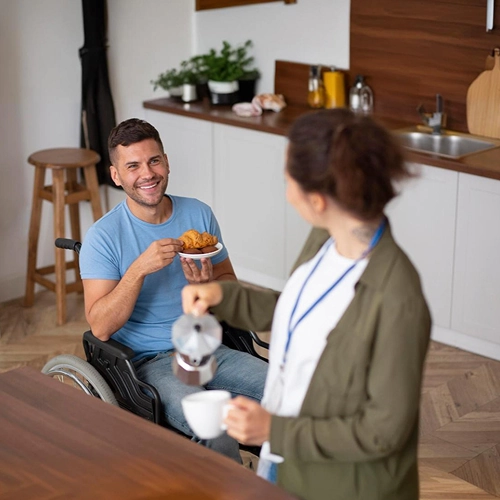
Independent living skills training DD programs are essential for helping adults with developmental disabilities build confidence, independence, and stability in everyday life. These skills go far beyond basic routines. They empower individuals to make choices, manage responsibilities, and participate more fully in their communities.
For many families, independence does not mean being unsupported. It means having the right structure in place so adults can grow at their own pace. Independent living skills training DD focuses on practical abilities while respecting individual needs, preferences, and goals.
Why Independent Living Skills Matter for Adults With Developmental Disabilities
Adulthood brings new expectations and opportunities. Adults with developmental disabilities deserve the chance to develop skills that support autonomy and self-reliance. Independent living skills training DD programs help individuals navigate daily tasks with greater confidence and reduced anxiety.
Without these skills, adults may feel dependent or uncertain when facing routine responsibilities. With consistent training and encouragement, individuals gain a stronger sense of control over their lives and decisions.
What Independent Living Skills Training DD Includes
Independent living skills training DD covers a wide range of everyday abilities. These may include personal hygiene, meal preparation, household routines, money awareness, time management, and communication skills. Training is individualized to match each person’s abilities and readiness.
Rather than rushing progress, effective programs focus on repetition, patience, and positive reinforcement. Skills are introduced gradually, allowing individuals to build confidence through consistent practice.
Building Daily Routines That Support Independence
Routines provide structure and predictability. Independent living skills training DD often begins with establishing simple daily routines that support consistency and success. These routines help individuals understand expectations while developing responsibility.
Over time, routines become habits. Tasks that once felt overwhelming begin to feel familiar and manageable. This sense of accomplishment builds confidence and motivation to continue learning new skills.
Encouraging Decision-Making and Responsibility
Decision-making is a key component of independence. Independent living skills training DD encourages adults to make choices about their daily activities, schedules, and goals. Even small decisions help individuals feel empowered and respected.
Responsibility grows alongside choice. When individuals are encouraged to manage parts of their day, they begin to take ownership of their routines and outcomes. This balance of support and independence is critical for long-term success.
Social Skills as a Foundation for Independent Living
Living independently also requires social awareness and communication. Independent living skills training DD programs often include social skill development to help individuals interact confidently with others. This includes practicing conversations, understanding boundaries, and navigating shared spaces.
Social confidence supports independence by making it easier to ask for help, express needs, and build relationships. These skills are especially important in shared living environments or community-based settings.
Learning Skills in Real-Life Environments
Independent living skills are most effective when practiced in real-life situations. Training that takes place in community settings helps individuals apply skills in meaningful ways. Practicing shopping, transportation awareness, or community navigation builds familiarity and reduces anxiety.
Families often explore opportunities through community-based activities and events that reinforce real-world learning while providing social engagement.
The Role of Supportive Services
Supportive services play an important role in independent living skills training DD. Trained staff provide guidance, encouragement, and structure while allowing individuals to practice skills independently. The goal is to support growth without creating dependency.
Families often review available support services to understand how life skills training is integrated into daily programming. Strong support systems help individuals feel safe while learning new responsibilities.
Creating a Supportive Learning Environment
A supportive environment is essential for effective learning. Independent living skills training DD thrives in spaces that feel safe, respectful, and predictable. Consistency in staff and routines helps individuals focus on skill development rather than uncertainty.
Learning more about a provider’s philosophy through their approach to care and values can help families feel confident that independence is encouraged thoughtfully and responsibly.
Seeing Progress Builds Confidence
Progress may be gradual, but it is meaningful. Independent living skills training DD focuses on growth over time, celebrating milestones along the way. Families often feel reassured when they can see examples of individuals practicing skills and gaining confidence.
Viewing moments of engagement and development through a program experience gallery can help families understand how independence is fostered in real-world settings.
Long-Term Benefits of Independent Living Skills Training DD
Independent living skills training DD prepares adults for greater autonomy and future opportunities. As individuals gain skills, they become more confident managing daily life and adapting to change. These skills support smoother transitions into supported living, employment, or expanded community roles.
According to public health research on developmental disabilities, skill-building and community participation are key factors in improving long-term quality of life.
Choosing the Right Training Program
Selecting the right independent living skills training DD program requires understanding individual needs and goals. Families should look for programs that emphasize patience, personalization, and dignity. Training should feel empowering, not overwhelming.
Exploring program locations can help families find accessible options that support ongoing skill development.
Taking the Next Step Toward Independence
Independent living skills training DD gives adults the tools they need to live more confidently and independently. With the right support, individuals can develop routines, make decisions, and participate more fully in everyday life.
Families ready to explore next steps can connect with the support team to learn how independent living skills training can be tailored to their loved one’s goals and abilities.