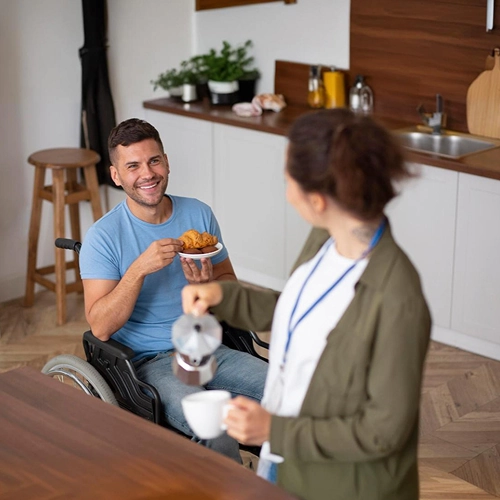
Introduction: The Purpose of Cooking Class Adult Social Club Programs
Cooking class adult social club programs have become an essential part of community-based enrichment for adults seeking meaningful engagement and practical life-skill development. These structured culinary sessions offer much more than learning recipes—they help participants build confidence, independence, communication abilities, and social connections in a supportive environment. Designed with professional facilitation and hands-on learning approaches, cooking classes play an important role in enhancing daily living skills and community involvement.
Why Cooking Classes Are Effective Learning Tools
Cooking is a dynamic activity that involves physical coordination, sensory experiences, problem-solving, and teamwork. This makes it one of the most effective formats for teaching essential skills in a way that feels enjoyable and purposeful. Cooking class adult social club programs incorporate simple techniques, guided instruction, and achievable steps to ensure participants remain engaged while learning valuable life skills.
These classes also align well with community-based service missions that prioritize independence and personal growth. Individuals and families exploring program options will appreciate how culinary activities complement the broader range of services available to support long-term development.
Building Independence Through Structured Instruction
Cooking classes focus on skill-building in manageable stages, helping participants achieve meaningful goals at their own pace. Learners may practice measuring ingredients, following step-by-step directions, identifying kitchen tools, or preparing simple meals. Over time, these tasks develop into consistent habits that support independence at home and in community settings.
Professional instructors adapt lessons to meet individual needs, ensuring the cooking environment remains safe and accessible. Confidence grows naturally as participants master new skills and gradually take on more complex tasks.
Strengthening Social Interaction and Group Participation
Cooking class adult social club programs are inherently social. Participants work together, communicate about tasks, and share their reactions to ingredients, flavors, and results. Group participation supports emotional development, encourages teamwork, and fosters a sense of belonging.
Structured group activities create a positive experience for individuals who may benefit from consistent routines and opportunities to practice communication skills. These experiences also reflect the mission of community-centered organizations, often highlighted across their various locations.
Supporting Daily Living Skills Through Culinary Engagement
Cooking is part of daily life, so the skills gained extend far beyond the class itself. Participants learn essential tasks such as food preparation, cleaning, organizing kitchen spaces, and understanding safety practices. These abilities contribute to healthier routines and increase self-sufficiency in meal planning or food handling.
In some cases, culinary programs are integrated into broader life-skills curriculum. Organizations that provide ongoing support may share updates, resources, or success stories through their blog, giving families insight into participant progress.
How Cooking Classes Promote Healthy Choices
Nutrition education is a central focus of many cooking class adult social club programs. Participants learn the benefits of balanced meals, ingredient selection, portion control, and simple healthy recipes. These lessons empower individuals to make informed food choices and develop healthier long-term habits.
Classes may include discussions on food groups, hydration, and safe food storage. When combined with hands-on cooking, these lessons increase awareness and create sustainable routines that support personal well-being.
Creating a Safe and Supportive Culinary Environment
Safety is a top priority in every structured cooking program. Instructors take great care to adapt tools, simplify tasks, and demonstrate techniques clearly. Participants practice using utensils safely, handling hot equipment with supervision, and maintaining cleanliness throughout the cooking process.
Families who want to better understand program safety practices can reach out through the organization’s contact page to speak directly with coordinators and staff members.
Encouraging Creativity in the Culinary Process
Cooking classes offer endless opportunities for creativity. Participants may choose toppings, experiment with flavors, decorate baked goods, or suggest recipes for future sessions. Encouraging creativity helps individuals express themselves and build confidence through personalized choices.
Programs may highlight participant creations through photos or event summaries available in the organization’s gallery, allowing families to celebrate achievements and stay connected with program activities.
Integrating Cooking Classes With Broader Social Club Events
Cooking class adult social club programs often tie into seasonal celebrations, holiday gatherings, or themed events. Participants may prepare snacks for group meetings, contribute dishes to potlucks, or create decorative food items for special occasions.
To stay updated about upcoming events that incorporate culinary experiences, visitors can view announcements on the program’s events page. These events help participants showcase their new skills and feel included in larger community celebrations.
Professional Support and Skill-Focused Curriculum
Successful cooking programs rely on experienced instructors who understand how to adapt instruction for adults with diverse support needs. Staff members ensure each participant feels supported while maintaining structure and safety. Continued training for instructors helps improve lesson quality and instructional methods.
Organizations offering long-term involvement may also direct those interested in helping through the careers page. Investing in professional development supports program consistency and participant satisfaction.
Outbound Resource Link
For additional culinary learning ideas, families and participants may explore general cooking education content such as basic kitchen safety guidelines provided by AllRecipes.
Conclusion: How Cooking Classes Strengthen Community and Independence
Cooking class adult social club programs provide more than just cooking instruction—they create meaningful opportunities for social connection, confidence-building, and practical life-skill development. Through structured teaching, supportive environments, and engaging group activities, these programs help adults strengthen independence while participating in a vibrant community. Cooking becomes not only a learning process but a powerful tool for personal growth and long-term success.